What comes to your mind when you hear Tanzania?
Is it David Attenborough’s voice saying something like: “these are the mighty plains of the Serengeti which millions of bunnies call home” or is it Tan.. what? If it is the latter, don’t worry. A friend asked me before we were leaving- are you going to Australia? (confusing Tanzania with Tasmania). I had the continent right but knew very little of what to expect of Tanzania before deciding to pop there.
But now having spent two wonderful weeks there, I think it can be best summarized by this:
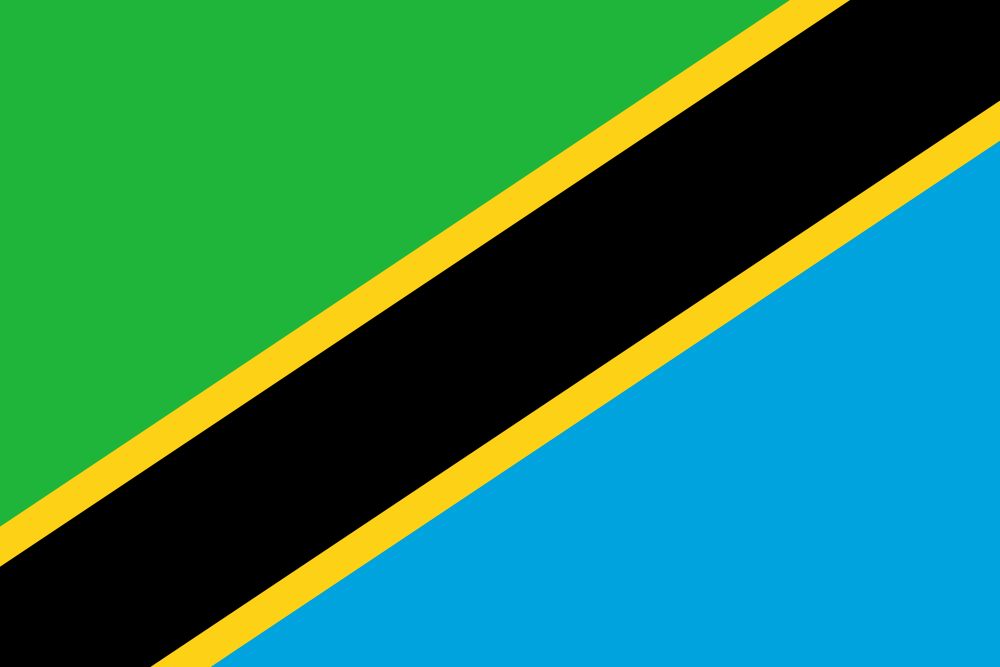
In Tanzania, the sky merges with the green land and the land slips away in the water. Such a smart flag and such a smart country (for tourists at least). They are incredibly well set up for tourism (as you will read further).
This is how we popped on land. Part II covers the sea:
Day 1: Traveling to TANZANIA!
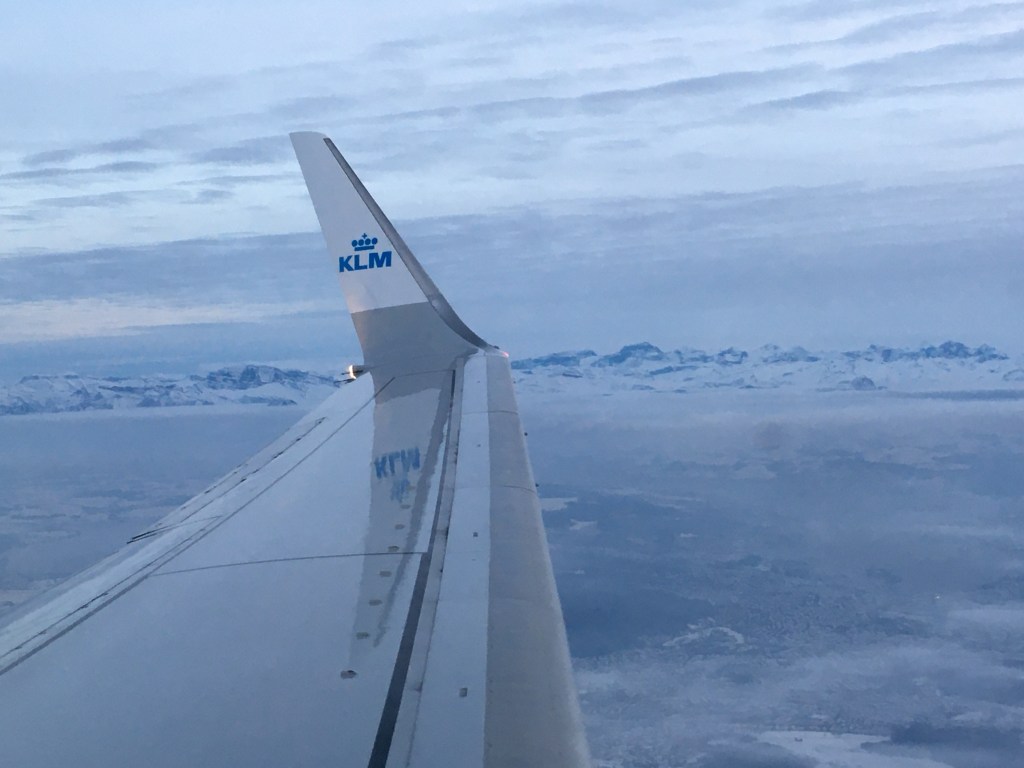
It wasn’t easy to travel of course. Switzerland is one of the countries who was very practical (or not) to have its borders open and Tanzania is another. We had to fly out of Zurich one night before our scheduled 7 am flight because the Netherlands government wanted a negative antigen test 4 h before departure (why is KLM running a flight at 7 am then, you ask? Because they are a bunch of dumdums).
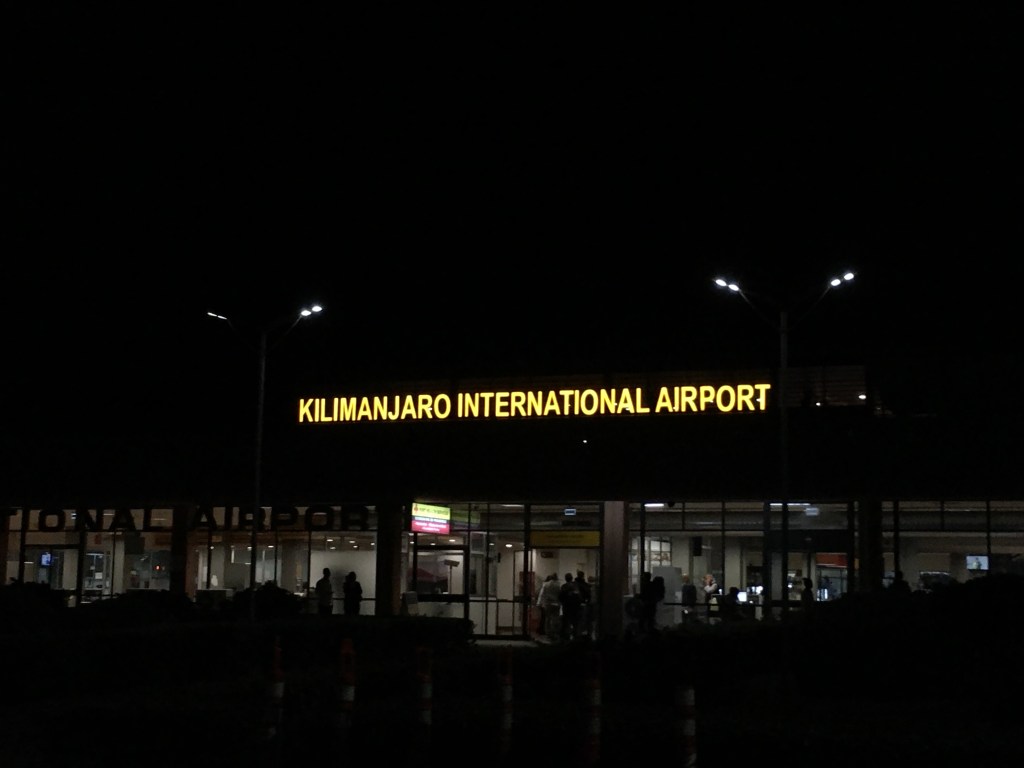
But lets address the elephant in the room - traveling during the pandemic: is it safe? Honestly, it could be, if everyone were intelligent enough. Did we feel safe - not always. Tanzanians do not like to wear masks nor do the white tourists. We met people who were anti vaccines, anti masks, and "COVID is no big deal". Idiocy is the most dangerous part of the pandemic! For more elephants, continue reading.
Day 2: Ngorongoro crater
We woke up earlyyy in Arusha and started our safari.
Ngorongoro conservation area: there used to be a mountain here higher than Kilimanjaro, so 6km+ high, that collapsed onto itself 2-3 million years ago, leaving behind a crater with special minerals that the bunnies love.
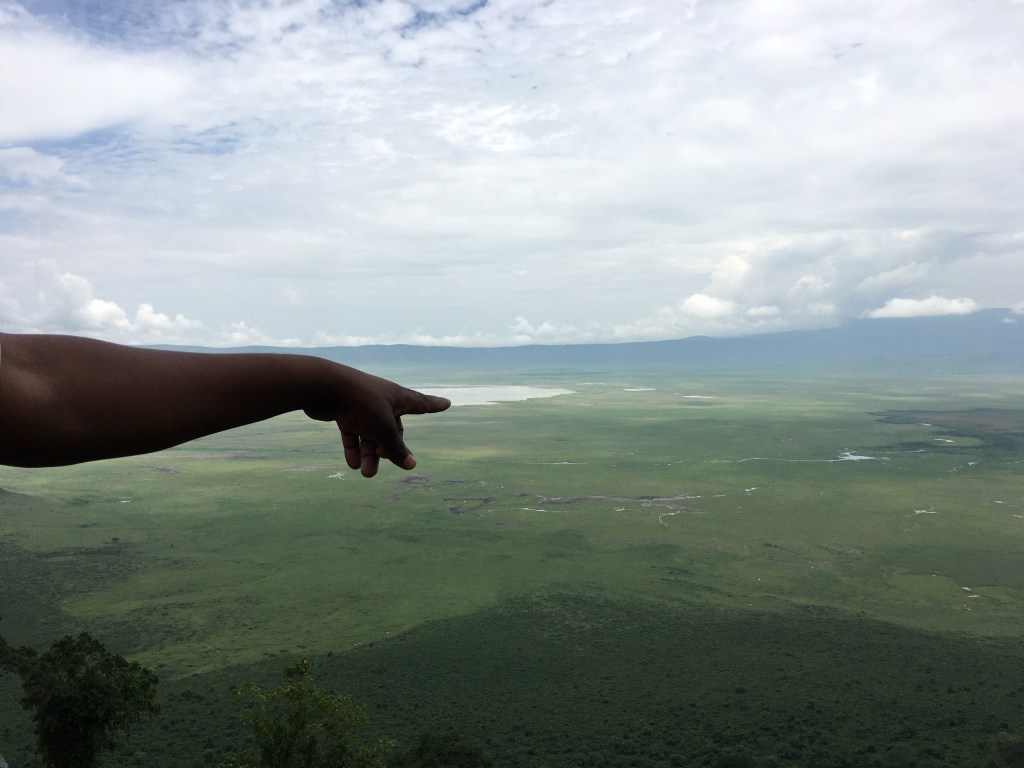
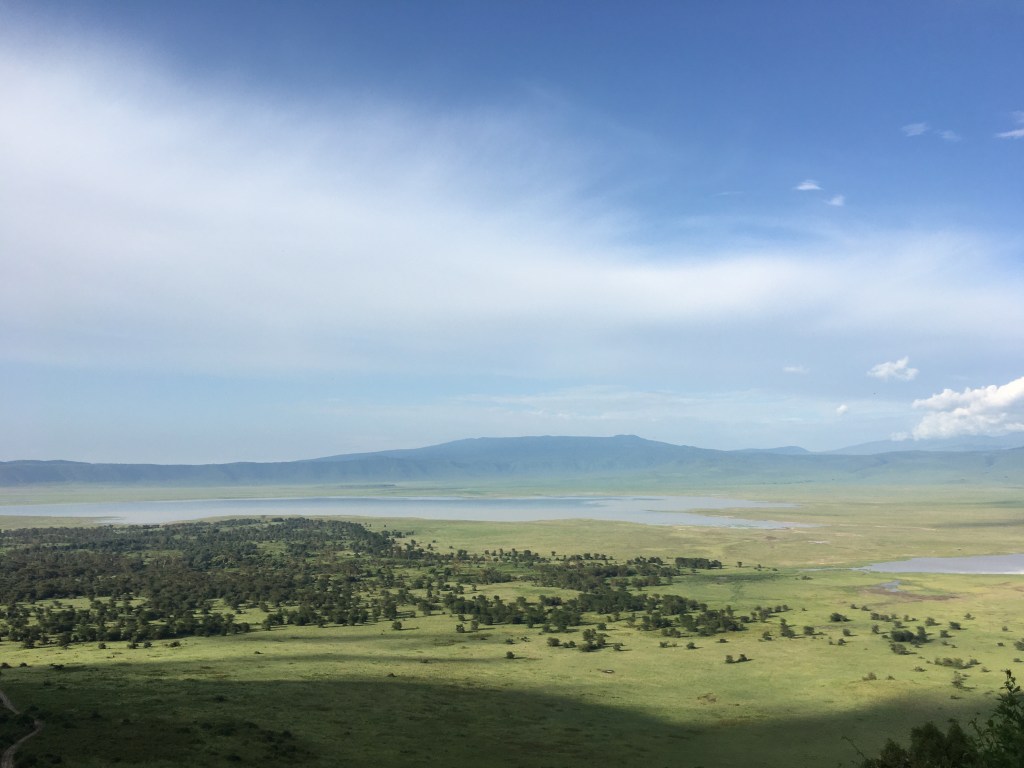
The landscape was just amazing, the land greeting the sky, the sky reflected on the water, the slopes dotted with little Maasai villages. The Masai are allowed to live in the conservation zone but not in the Serengeti following an outbreak of a disease that wiped out 95% of the cattle population (wild and domesticated) in 1959.
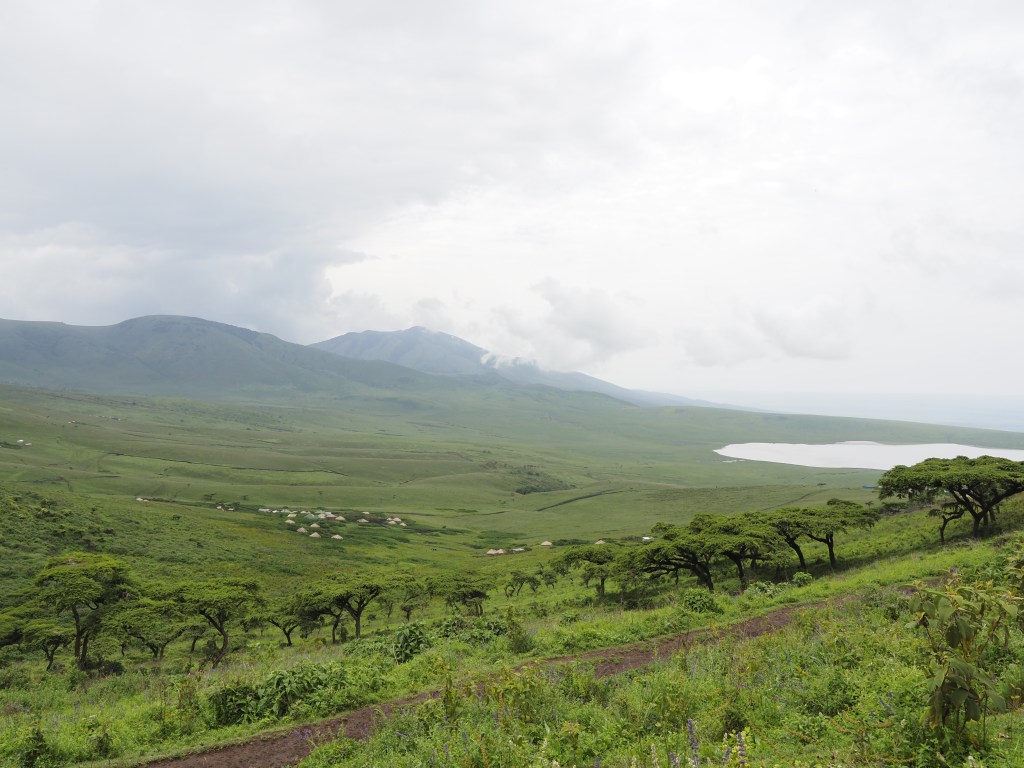
It is actually the Masai who named the place, N-gor-ong-oro, after the sound of their cows’ bells. Honestly, I didn’t hear it. I would have rather named it tan-tana-tan.
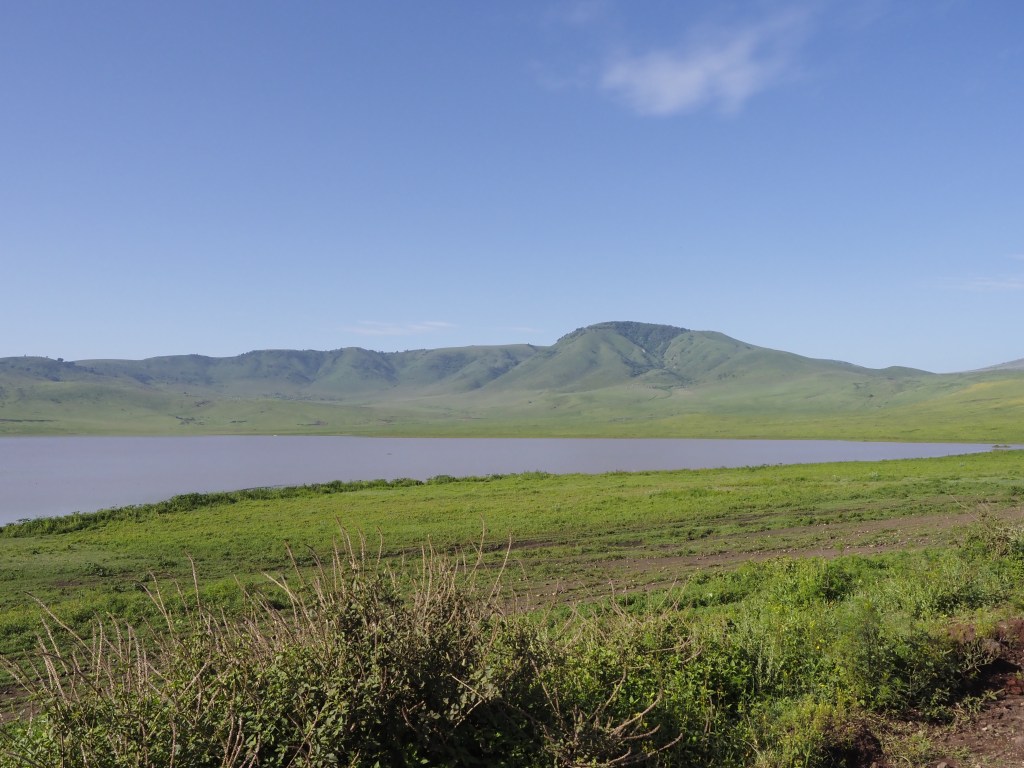
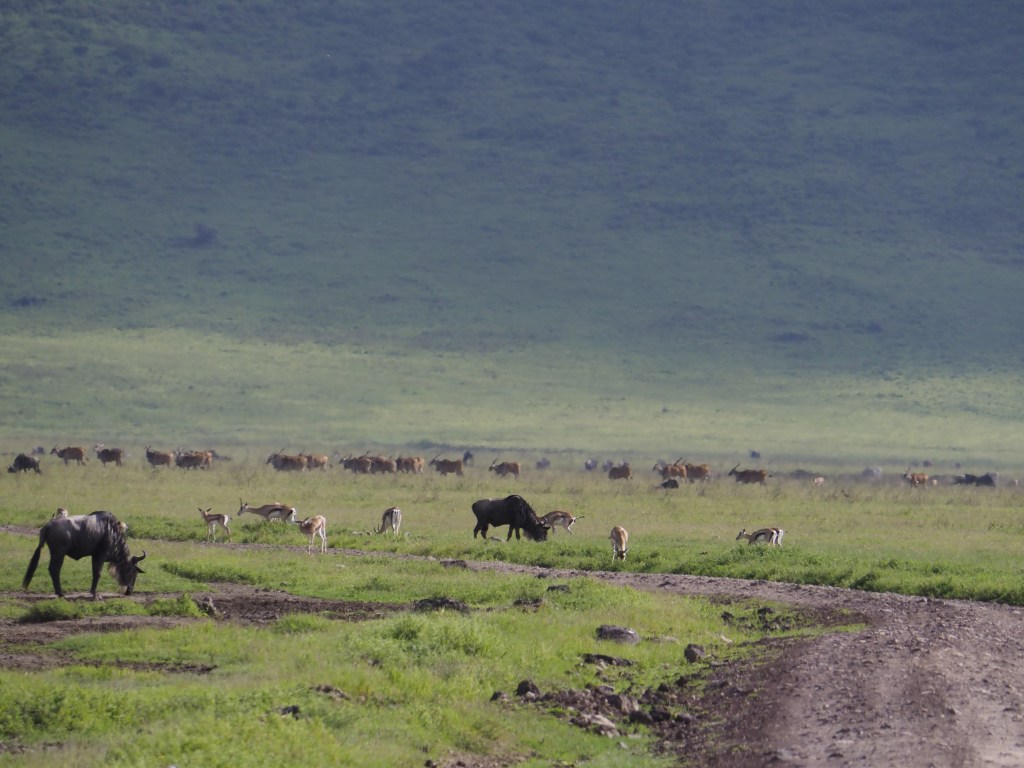
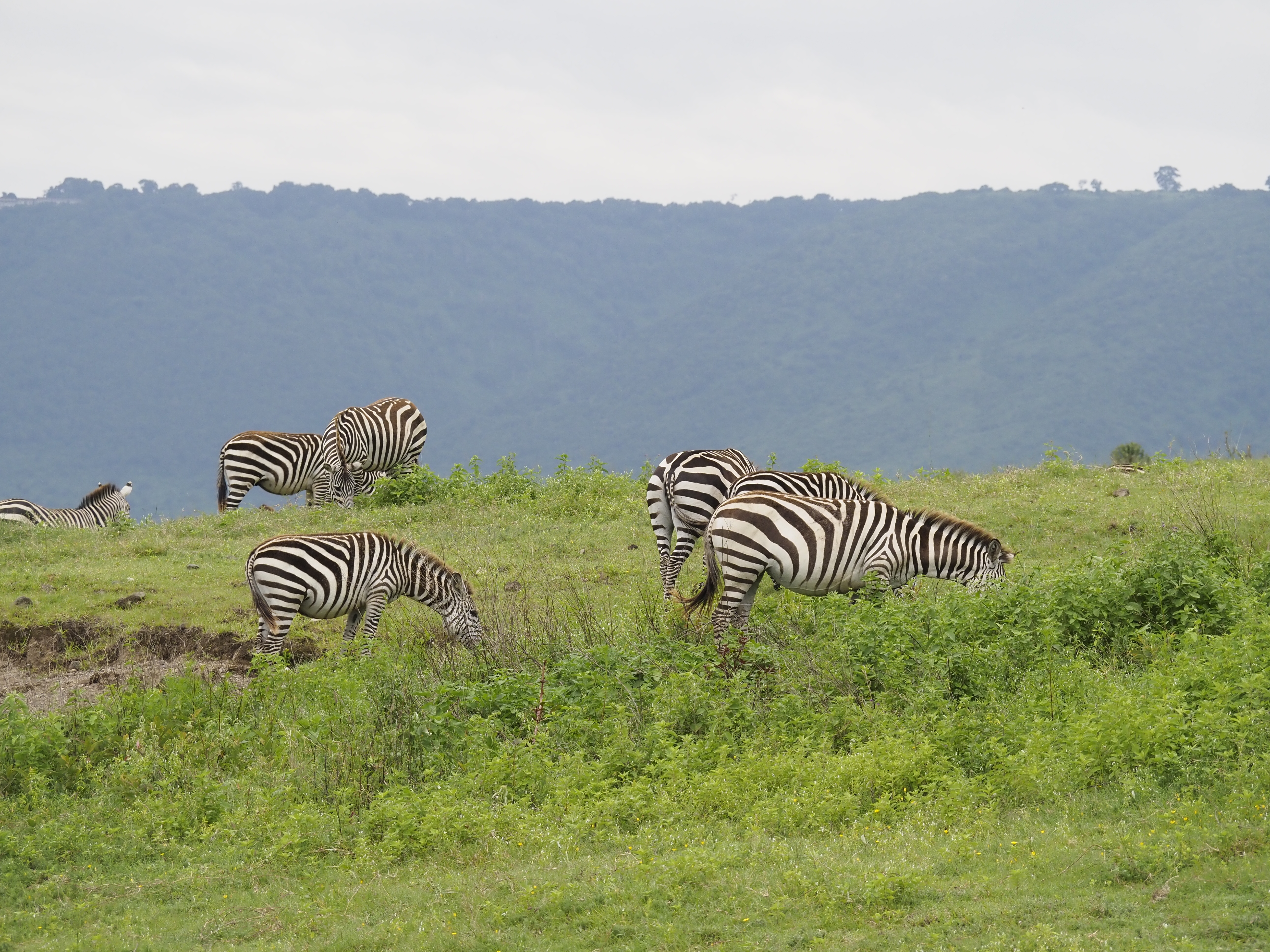
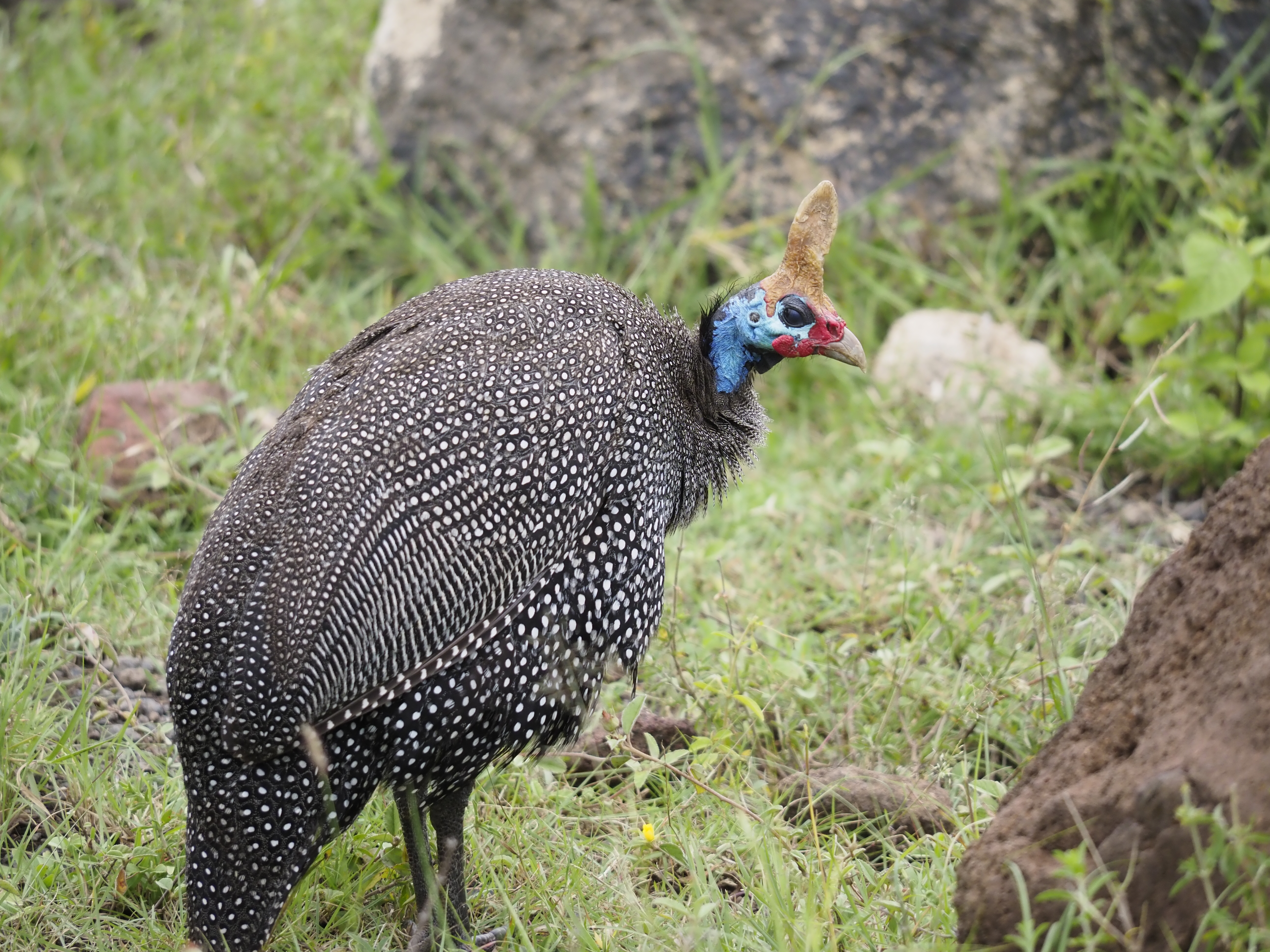
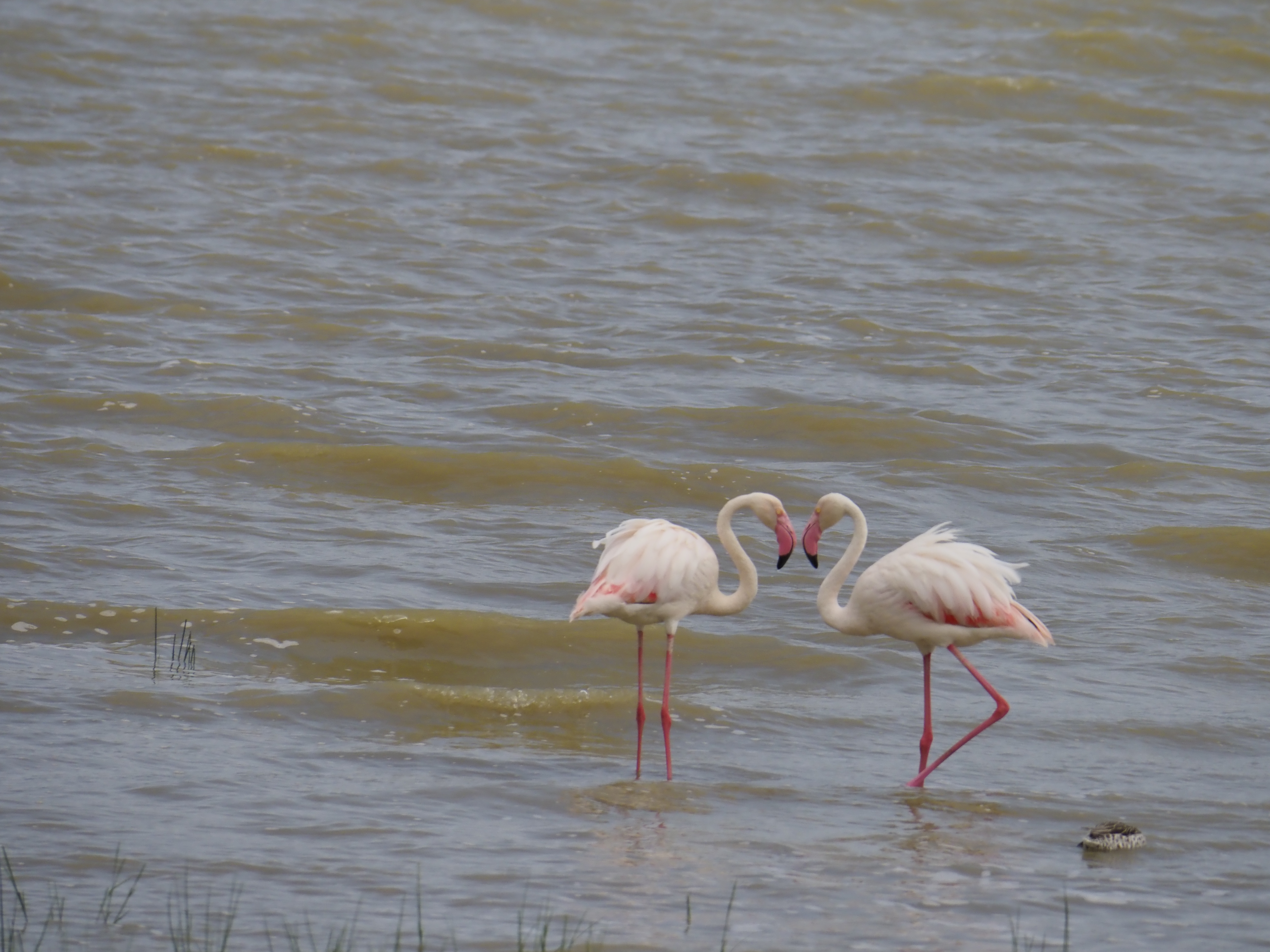
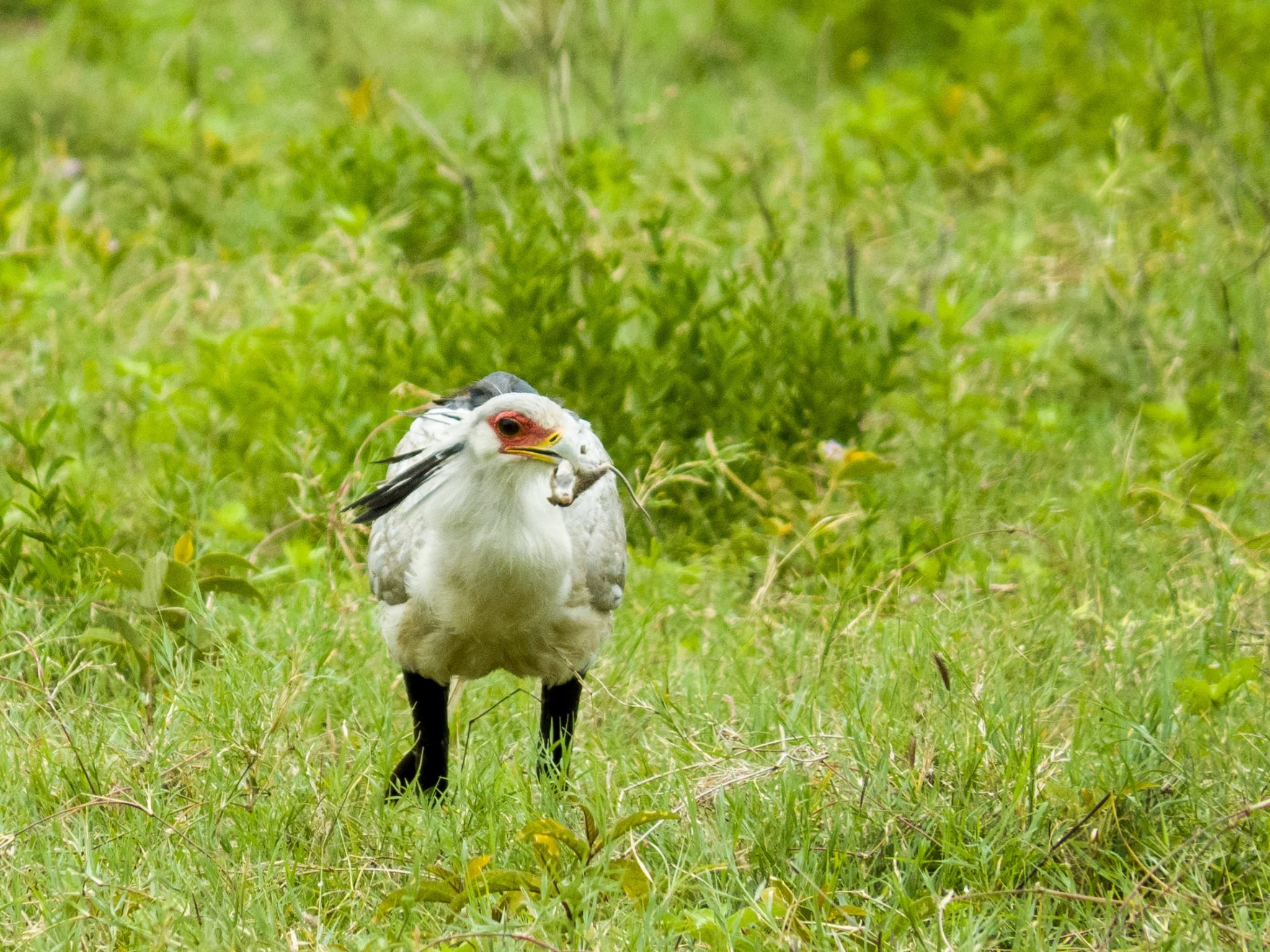
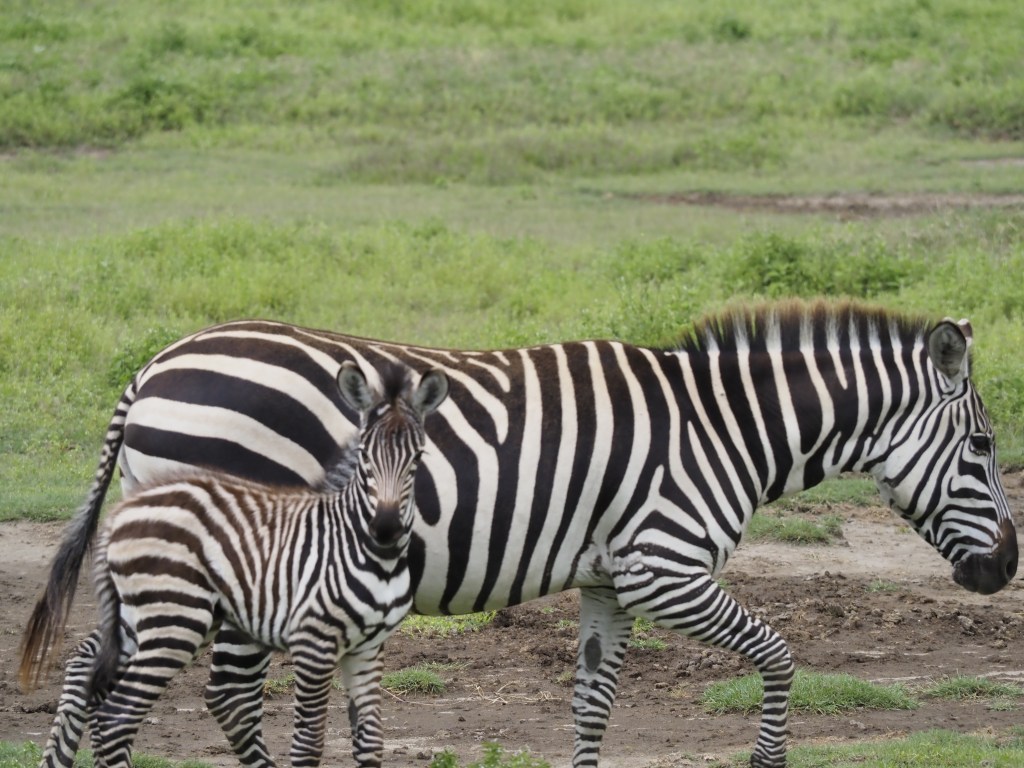
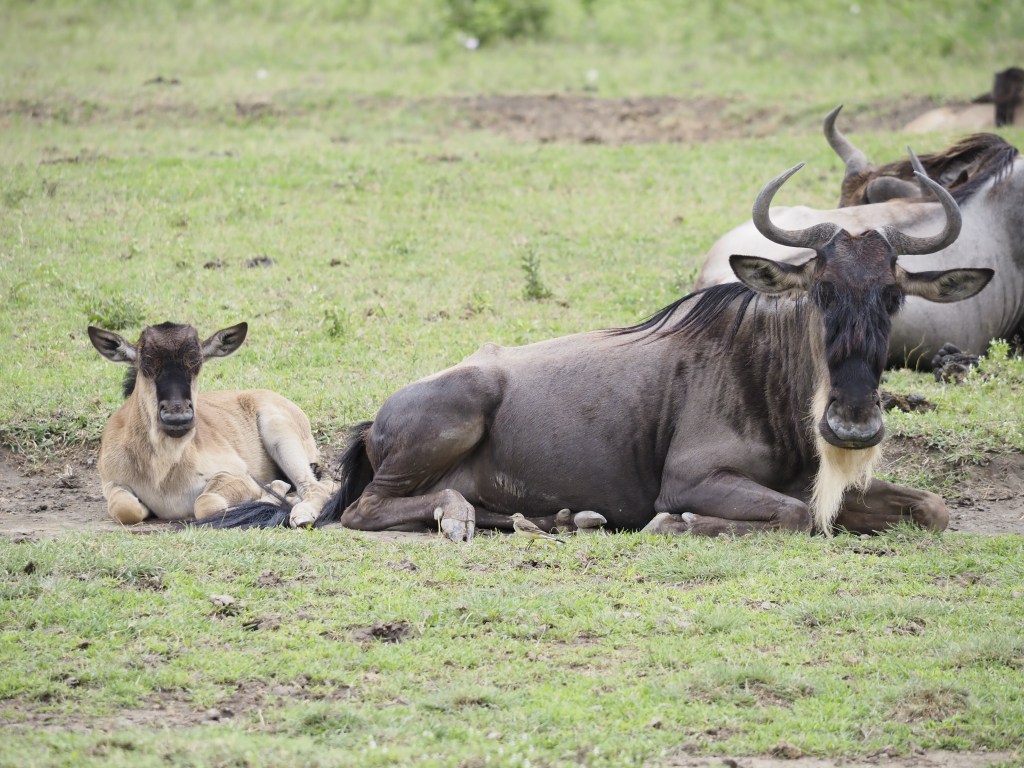
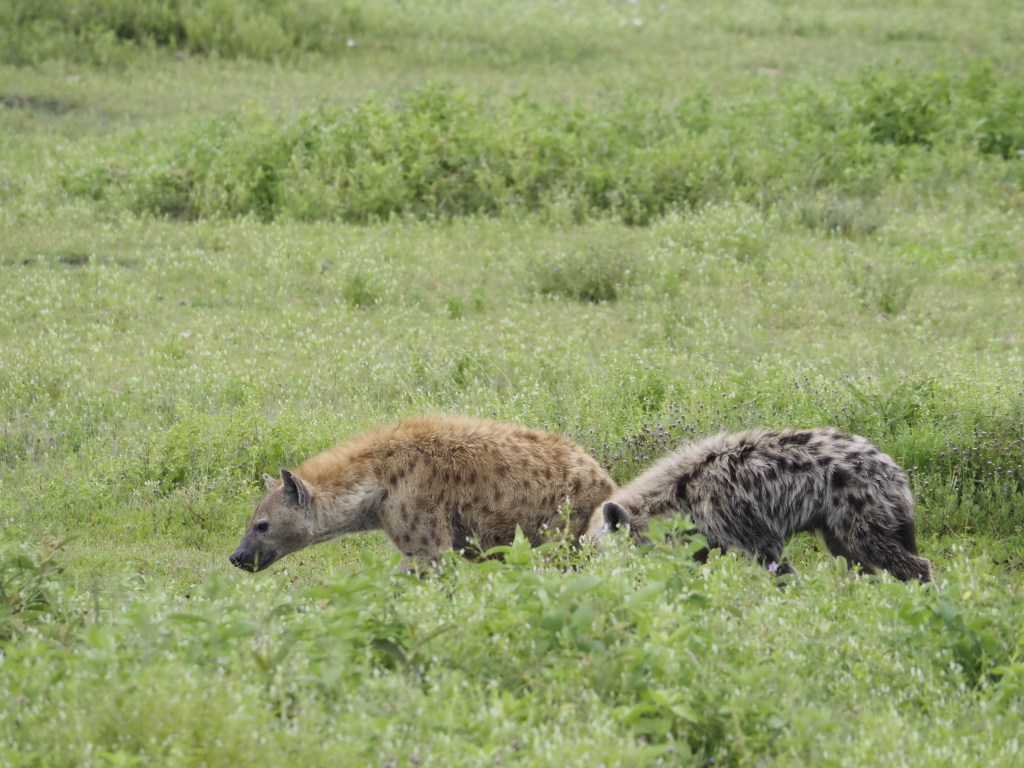
We saw many birds, striped bunnies (they were calling them zebra), wilderbunnies, 9 unicorn-bunnies (rhino, is it?), hippos and such. Fun fact: Nobody knows how the hippos found there way into the crater; they aren’t particularly good at hiking.
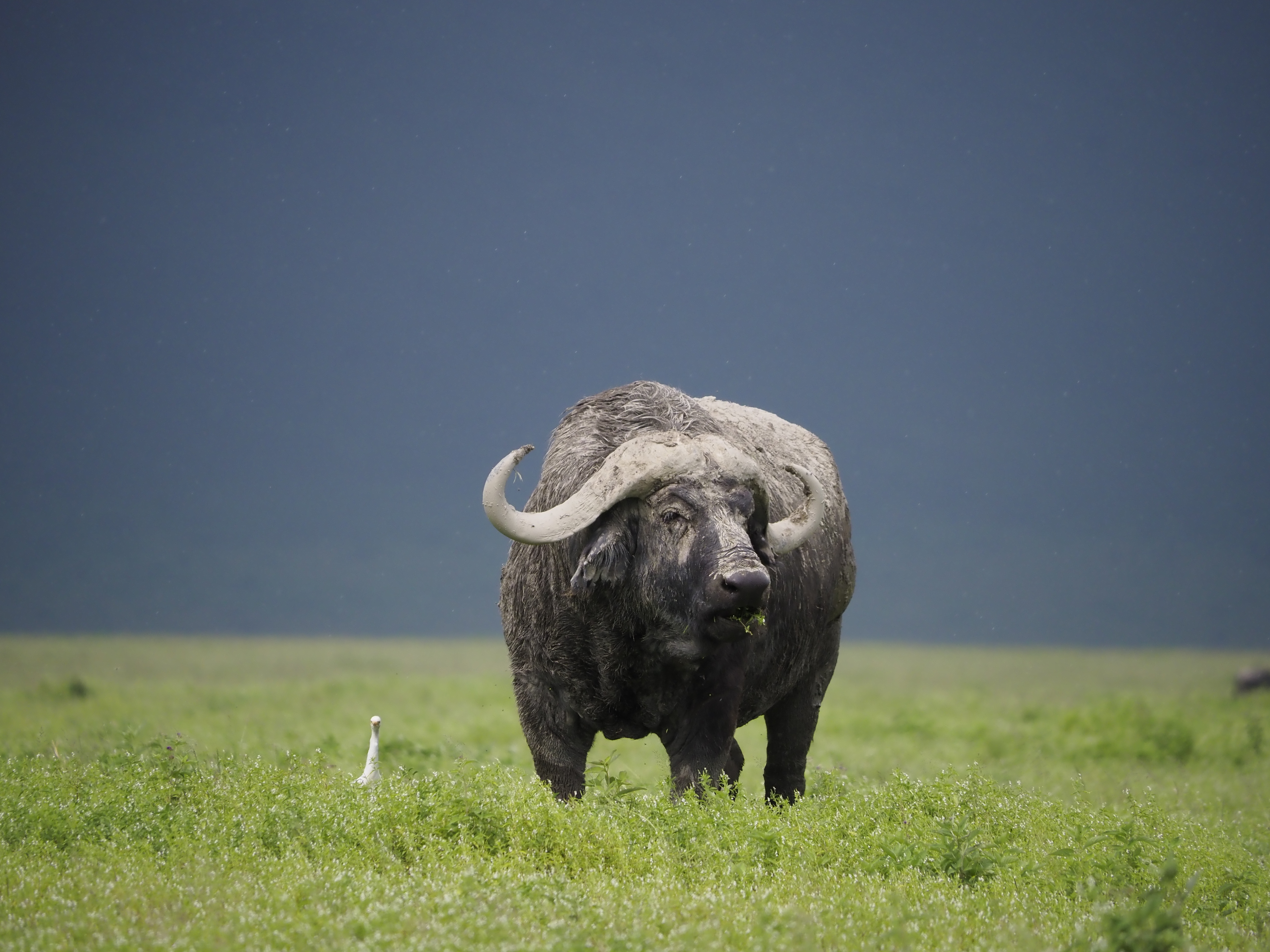
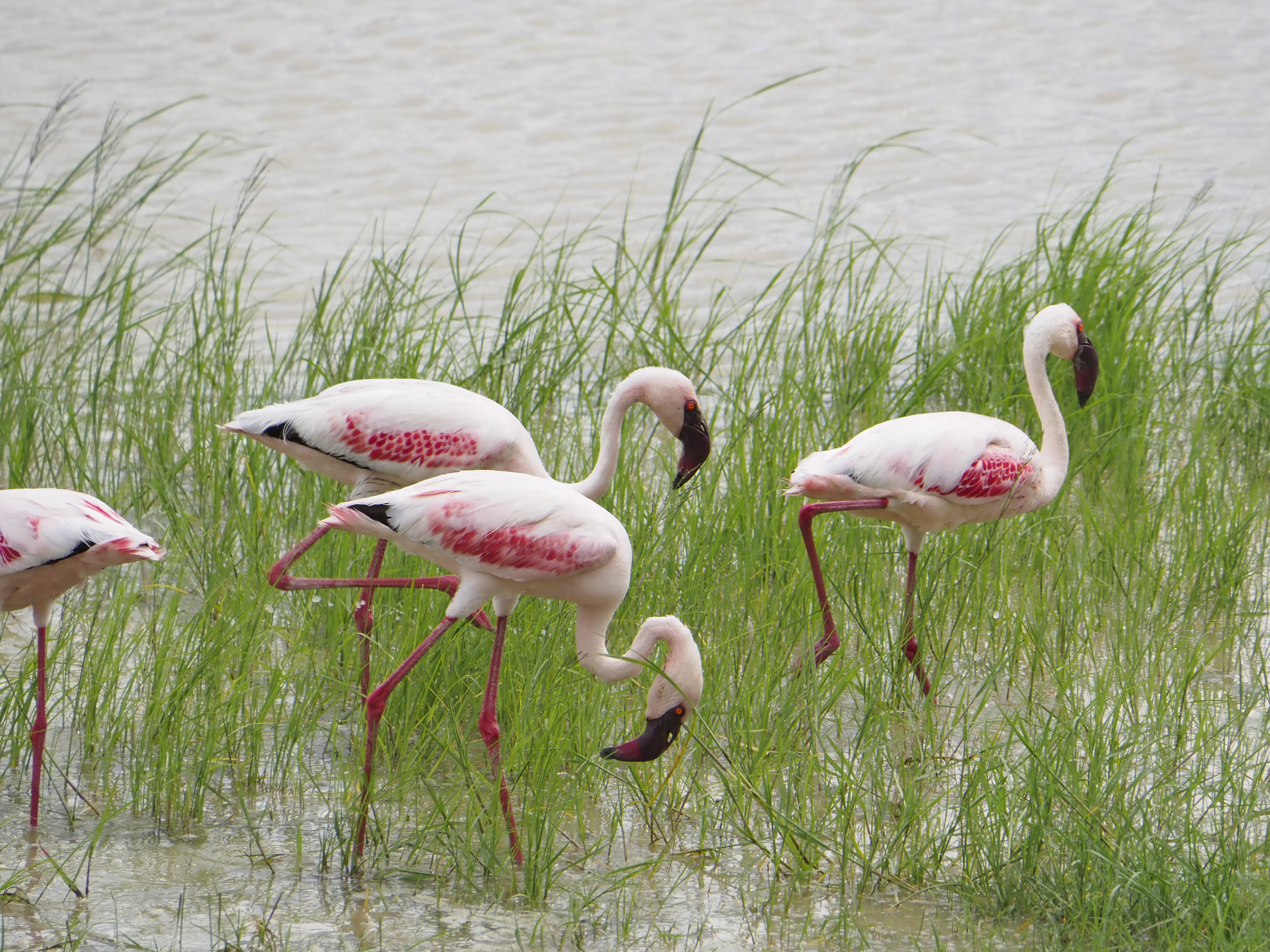
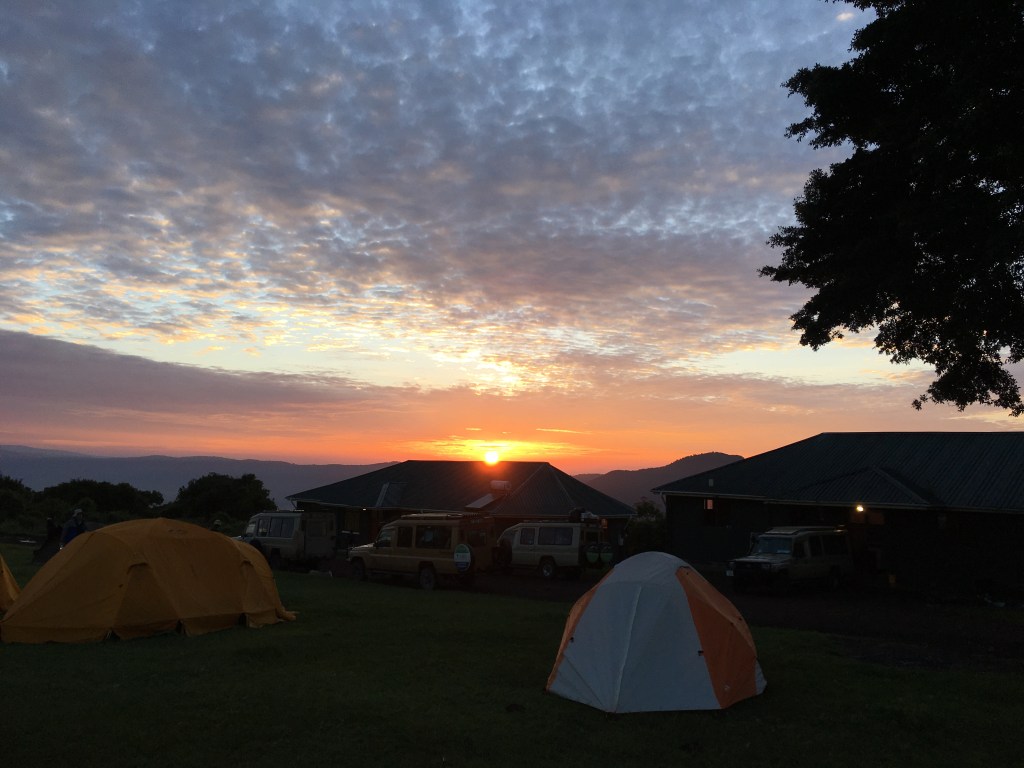
Slide show with some of the best pictures below.

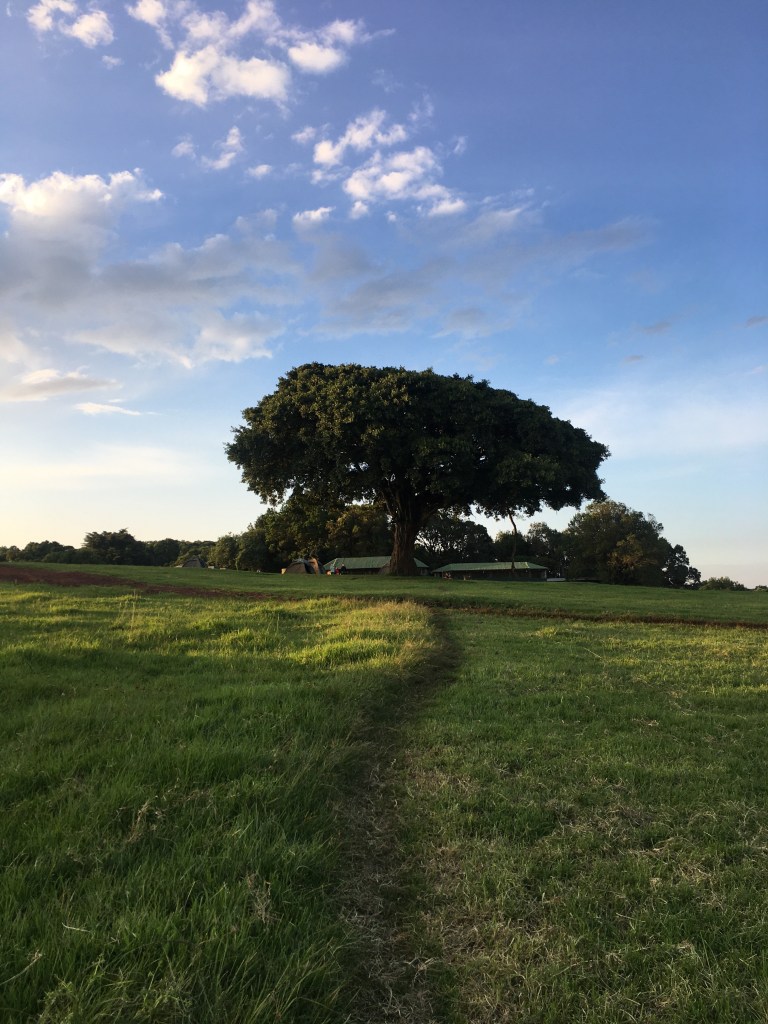
Day 3: making our way to the Serengeti
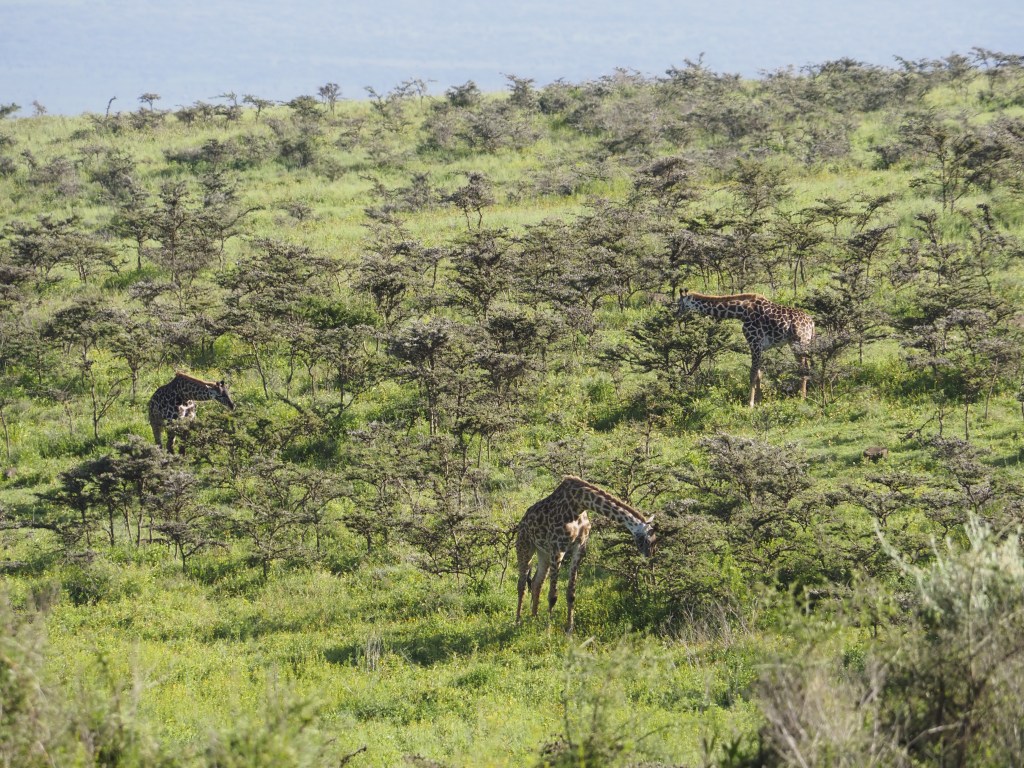
The Ngorongoro conservation area is actually quite large and there is much outside the crater as well. Such as long neck bunnies. Lots of them.
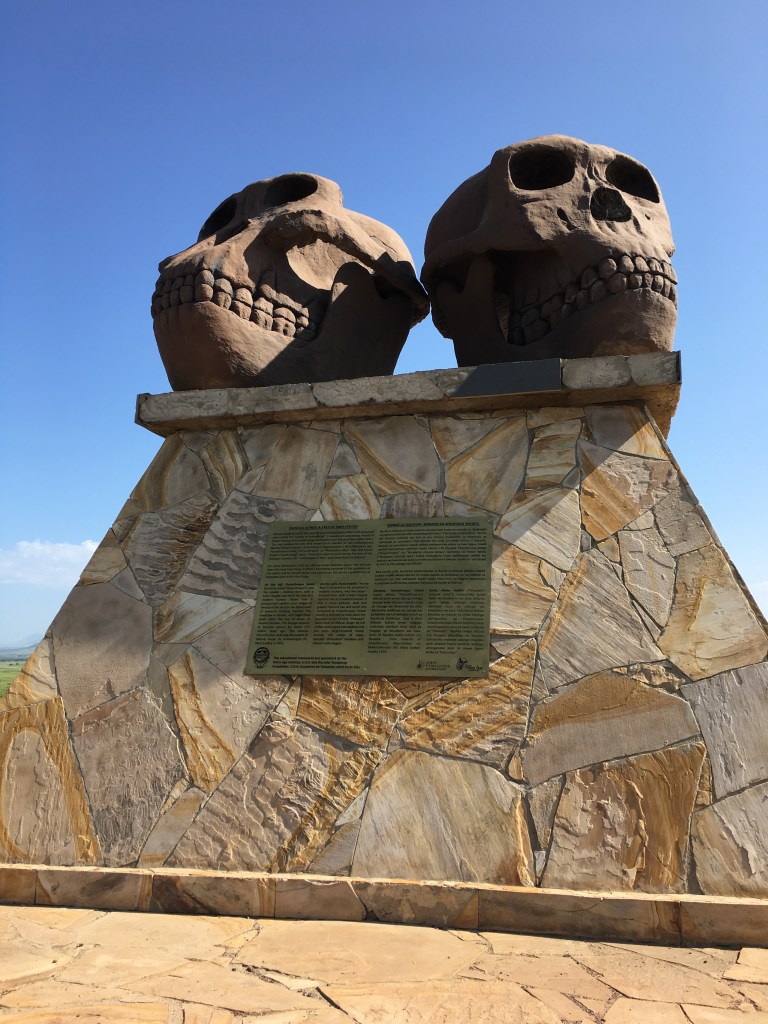
This area is also a Mecca for anthropologists as the earliest fossils of the bipedal human ancestors was found in this area.
As we were leaving Ngorongoro, we saw the great migration in progress. There were wilderbunnies as far as the eye could see.
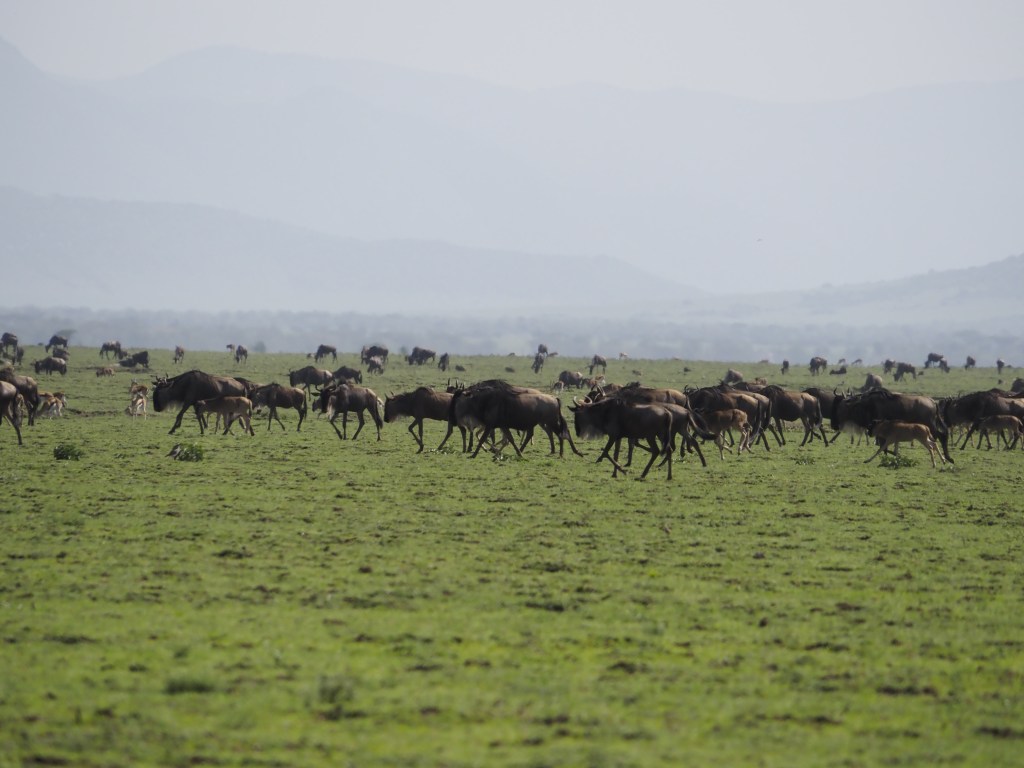
Fun fact: The Zebras and the wilderbeest migrate together. The wilderbeest can smell rain happening kilometers away but they are too dumb (literally, the locals call them zero brains) to know what to do about it. The Zebras on the other hand, are very smart. They can sense the wilderbeest smelling the rain and actually guide the whole wilderbeest population all the way to Kenya. The Zebras stay in front all the way to the Mara river where ravenous crocodiles are waiting with their mouths open. And then they let the wilderbeest cross first. When the crocodiles are full and the path is clear, only then they start crossing the river themselves. The Zebras use the wilderbeest as canon fodder – isn’t that incredible!
As we approached Serengeti, the soft rolling hills of Ngorongoro turned into flat plains with grass as far as one could see. That is because of another very interesting geological phenomena. When the volcano exploded (the same one that created the crater), it spewed ash all over. And then it rained. The ash mixed with water formed a hard pan where nothing could grow. Eventually a thin layer of soil formed, where only grass could grow. The few trees here, grow only where the hard pan is cracked and the tree roots can reach the underground water.
And Serengeti!
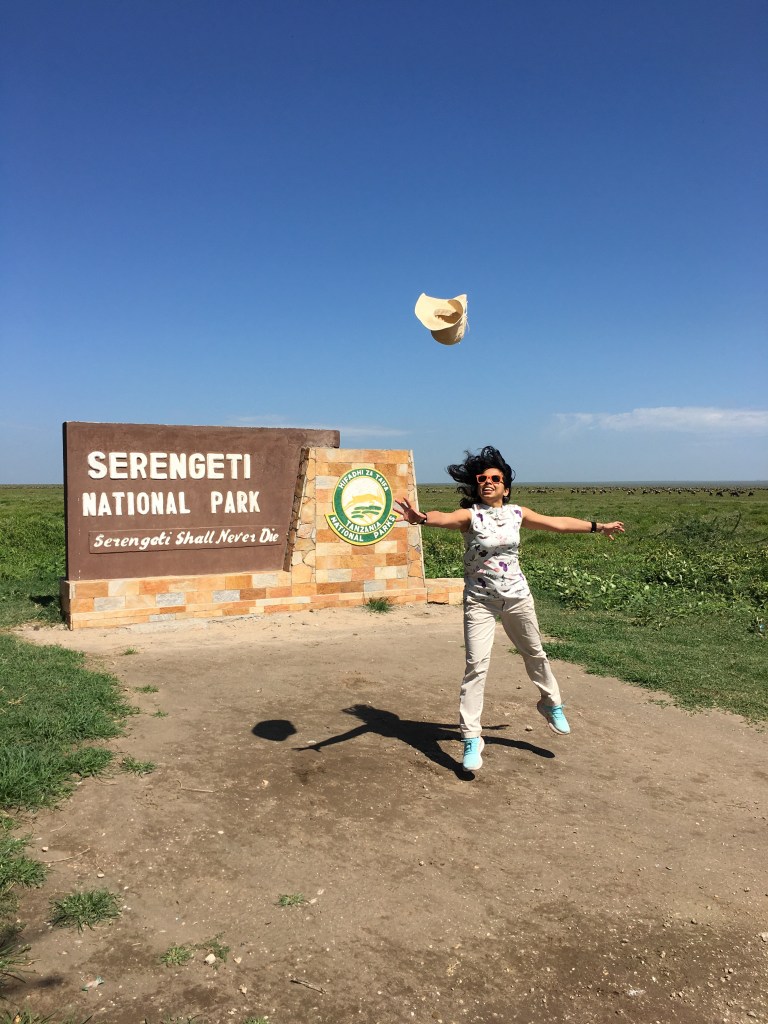
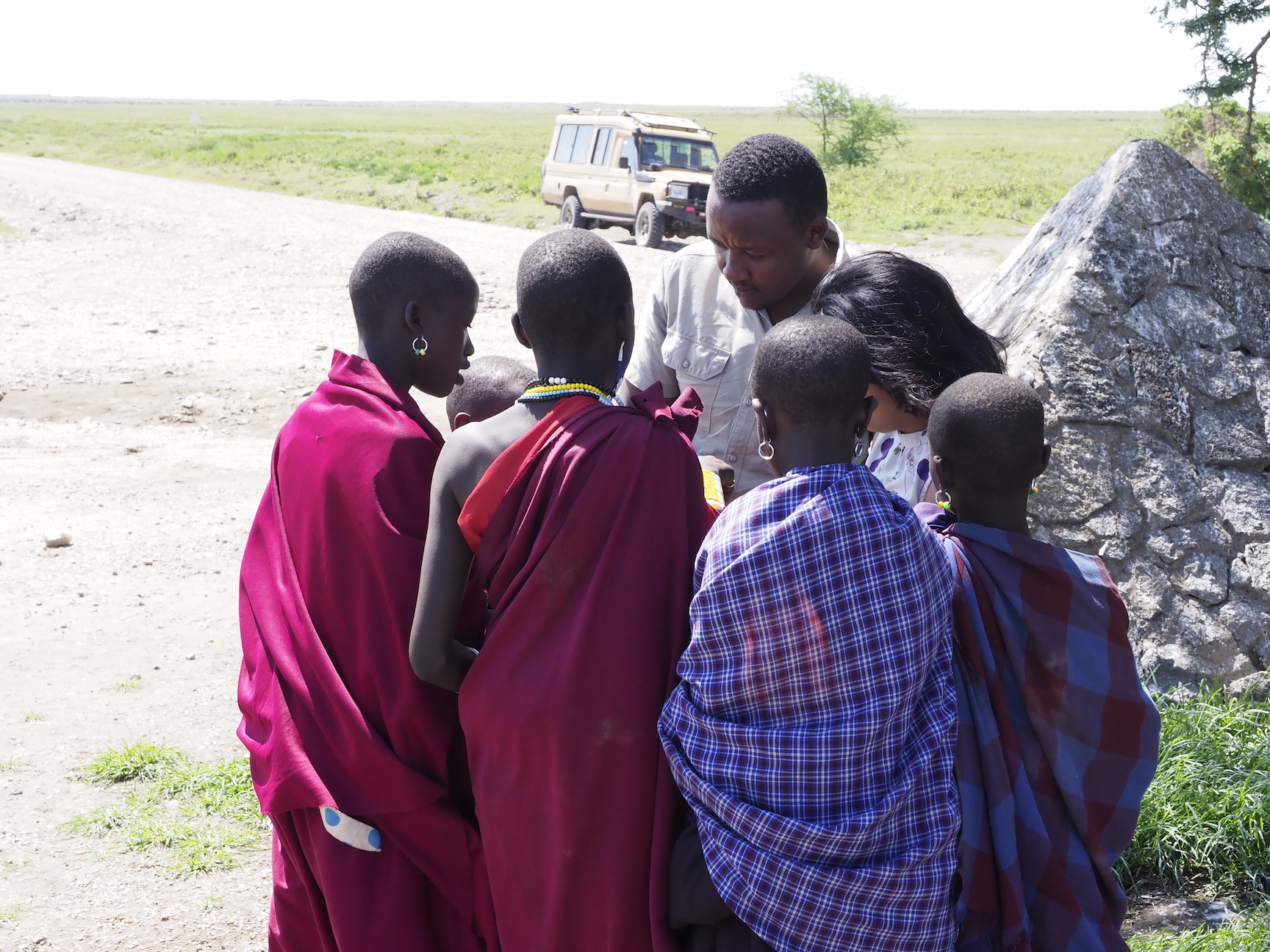
Near this gate, I was taking some cliche pictures of Masai walking the endless plains. Turned out they were just a bunch of kids who wanted to sell bracelets, which we did buy for little money and food.
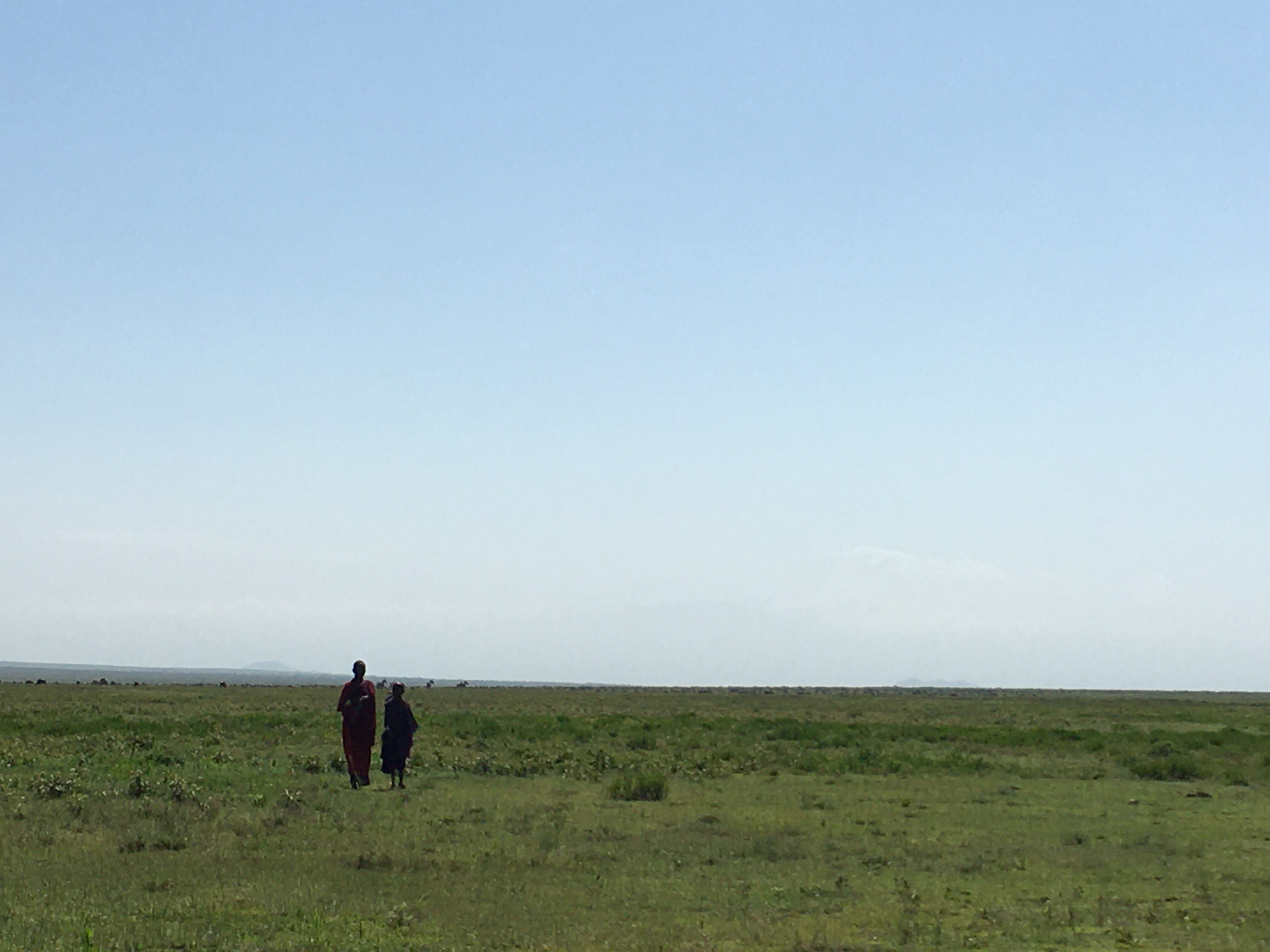
And then it was like entering into the set of Lionking! So many bunnies, all out to greet us!
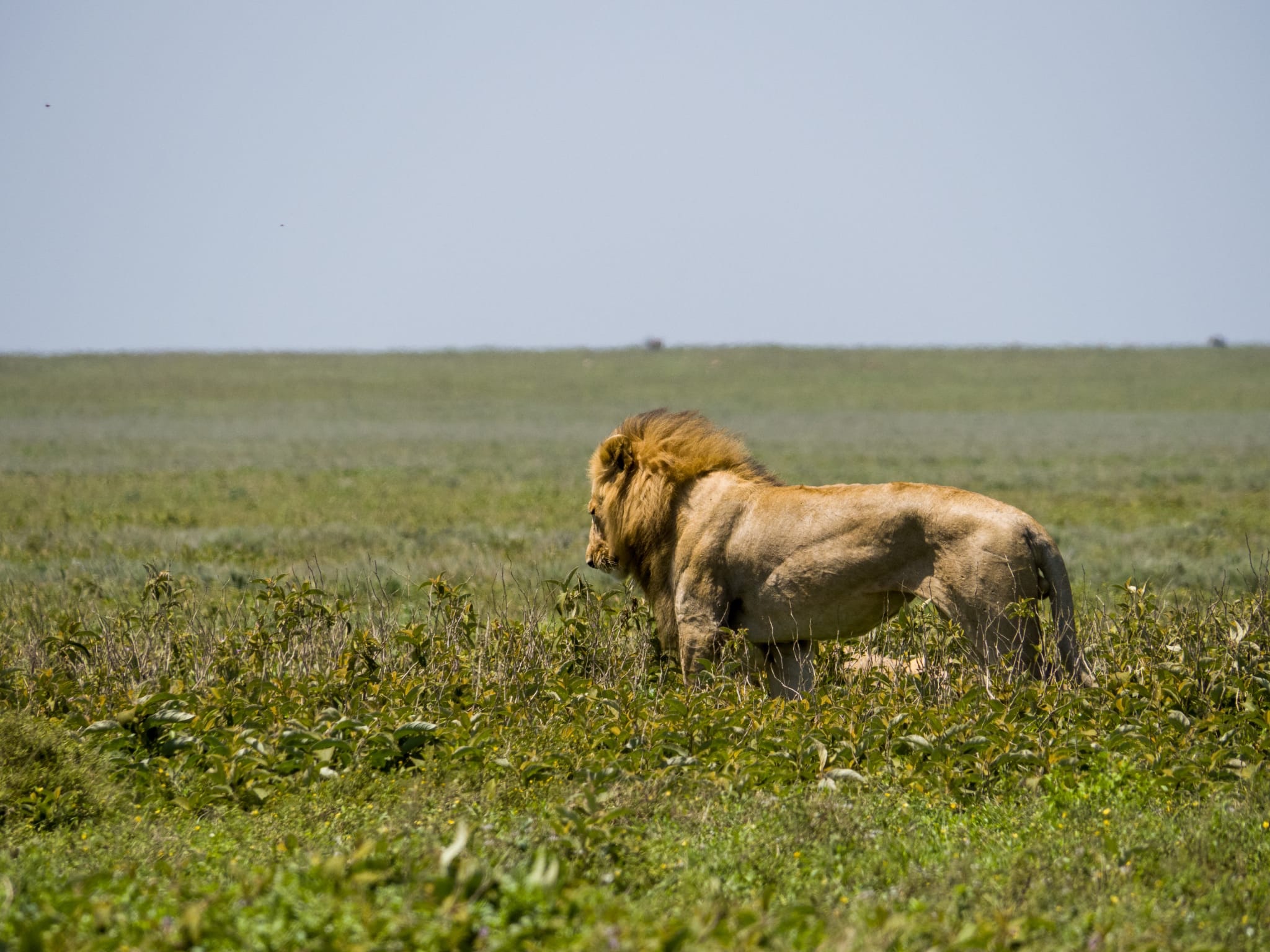
Two young males 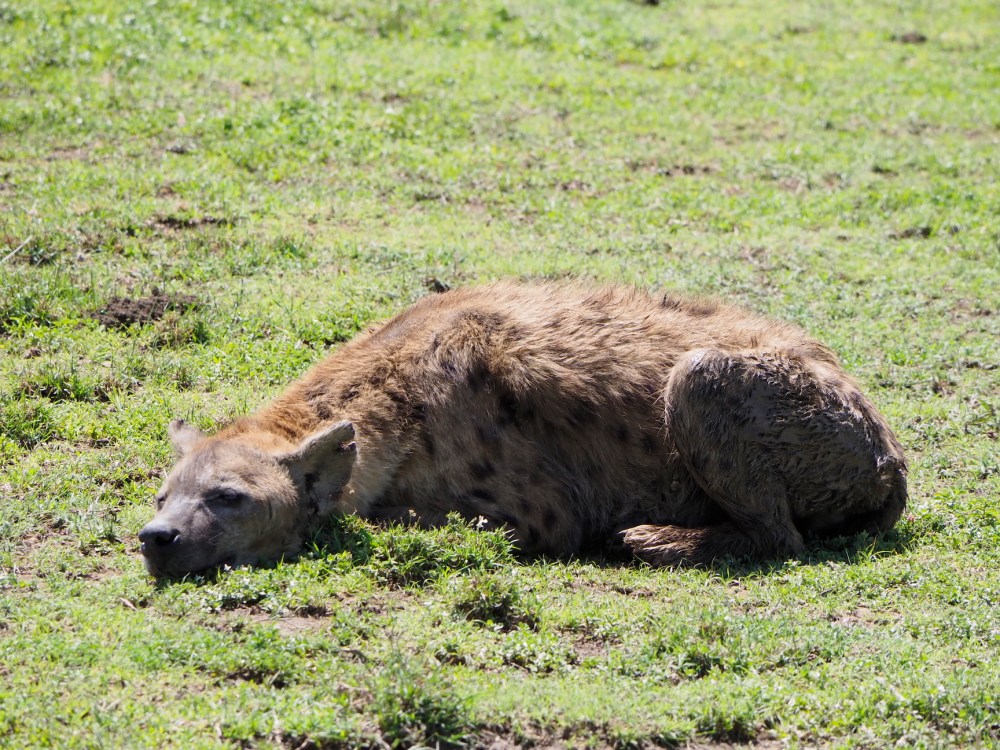
This Hyena was too hot to care 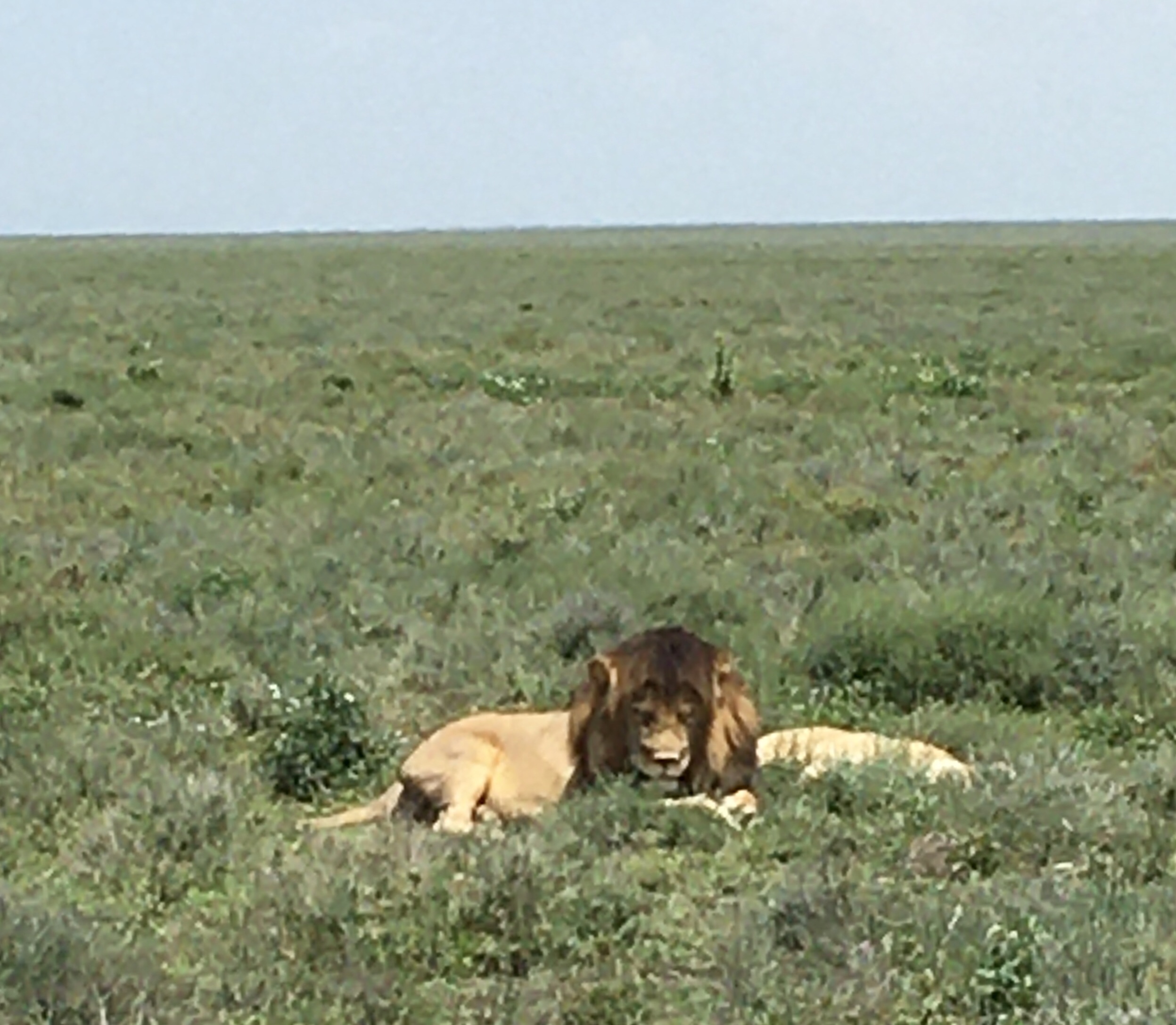
Bad hair day 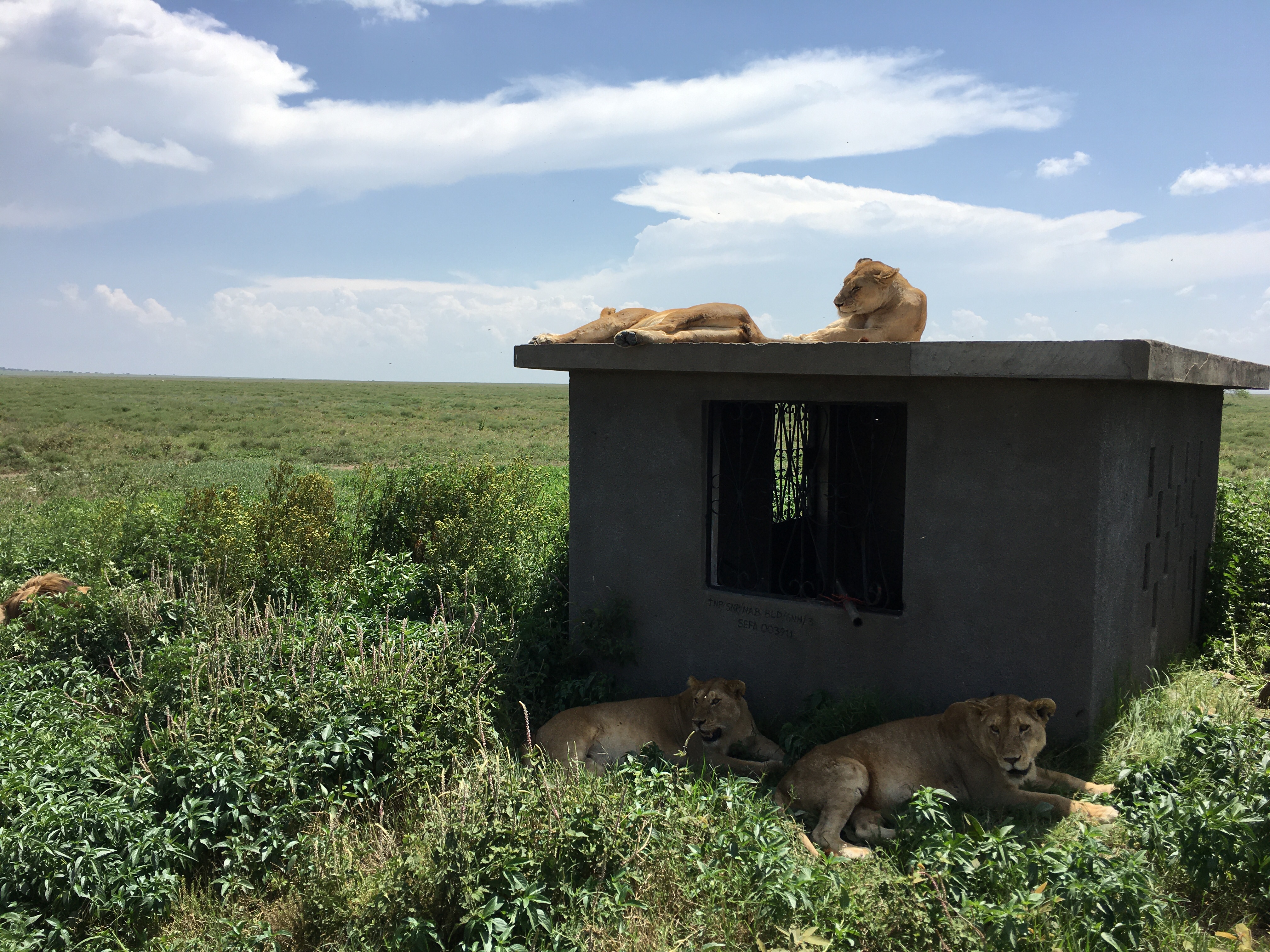
A pride of lions chilling in the sun. 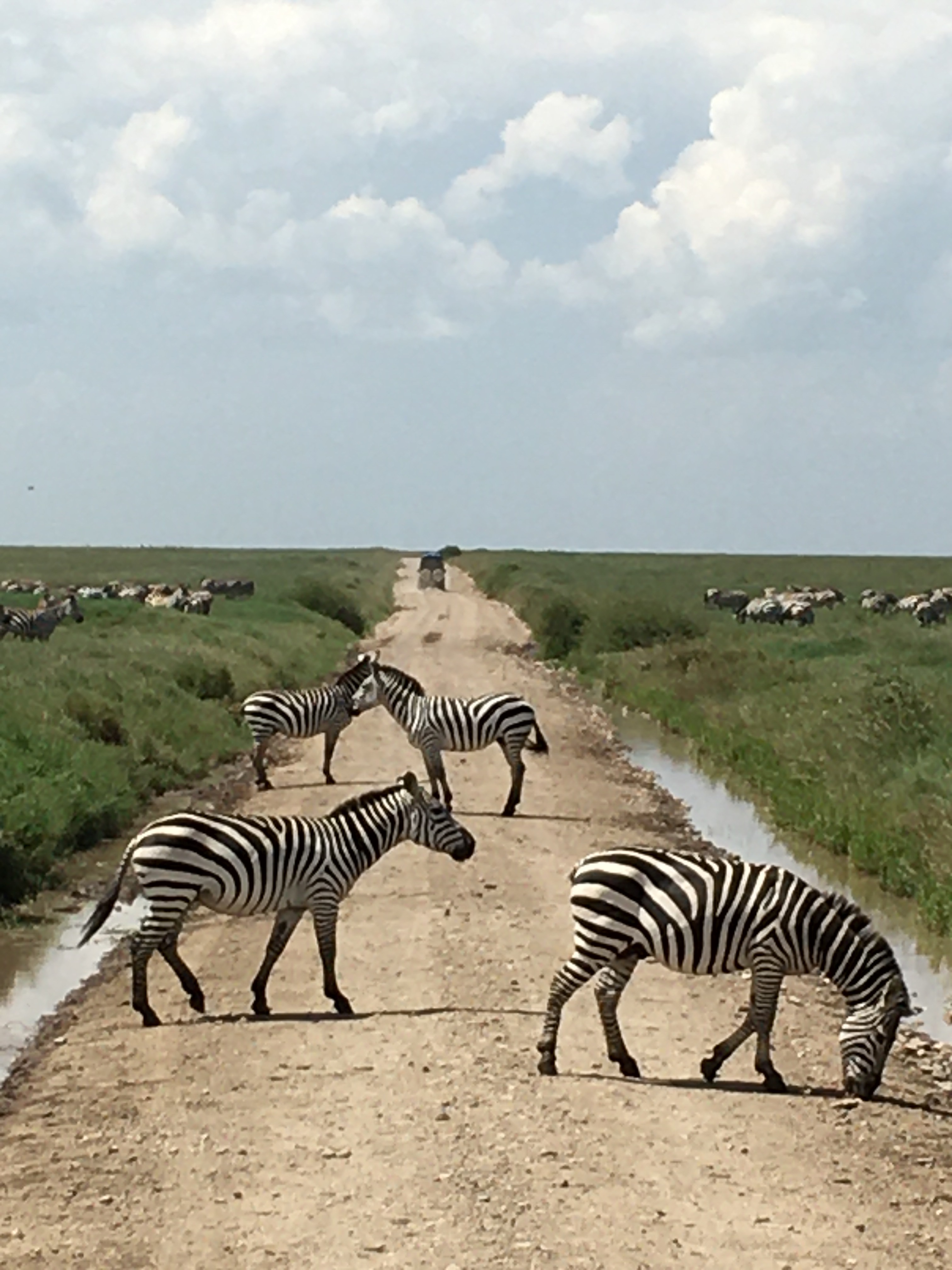
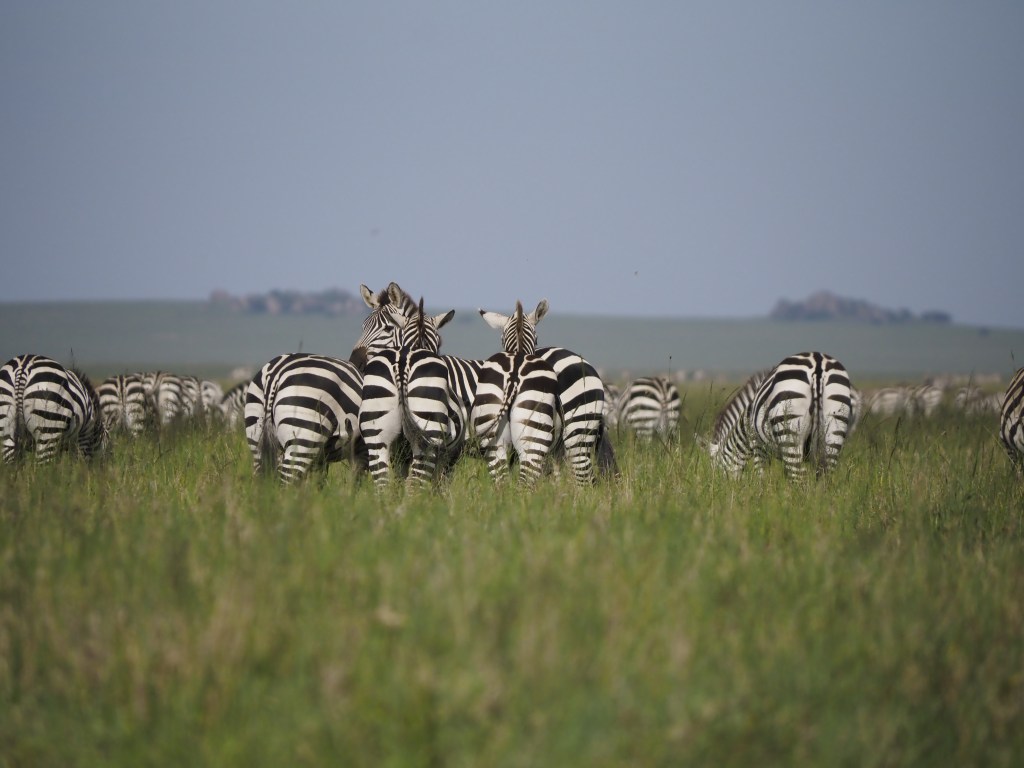
Zebra crossing
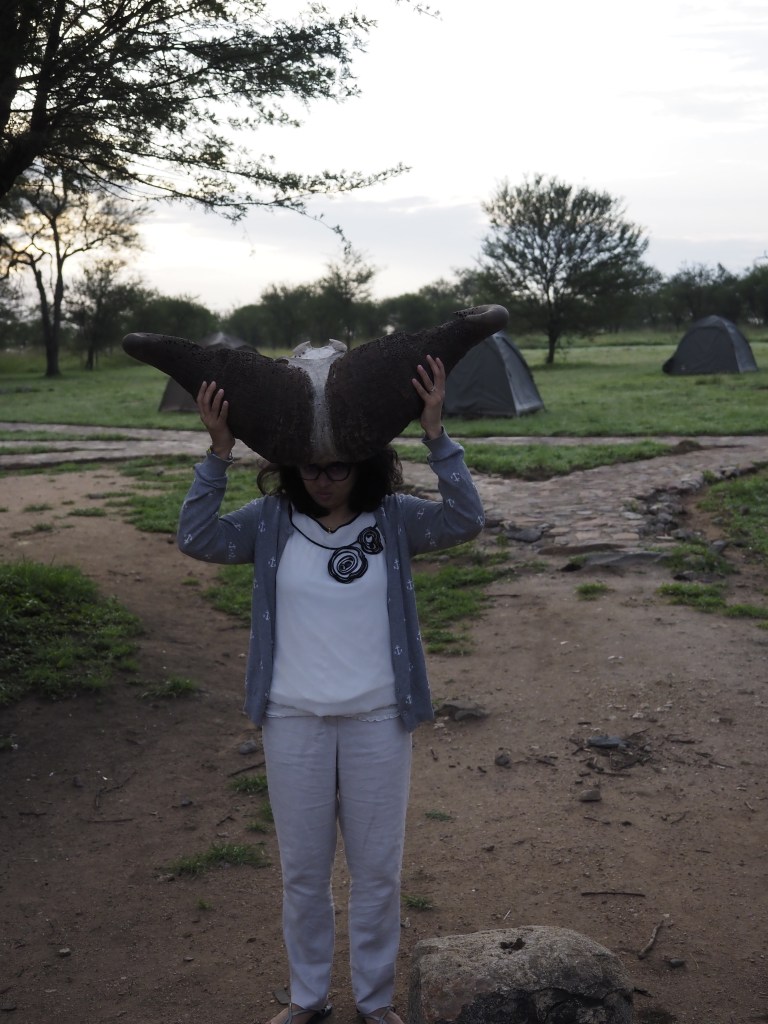
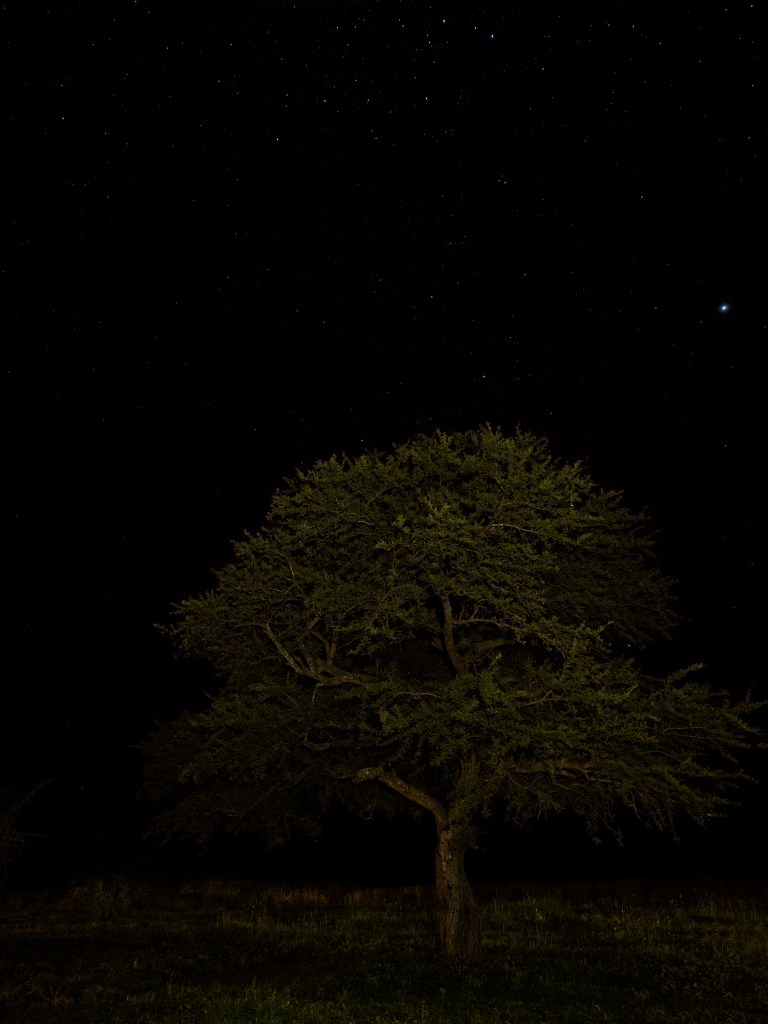
After a long long game drive, we settled in Seronera public camp site, which was quite ugh to be honest. Many flies ate (with) us. But the stars were nice.
Day 4, 5: Game drives and Lobo
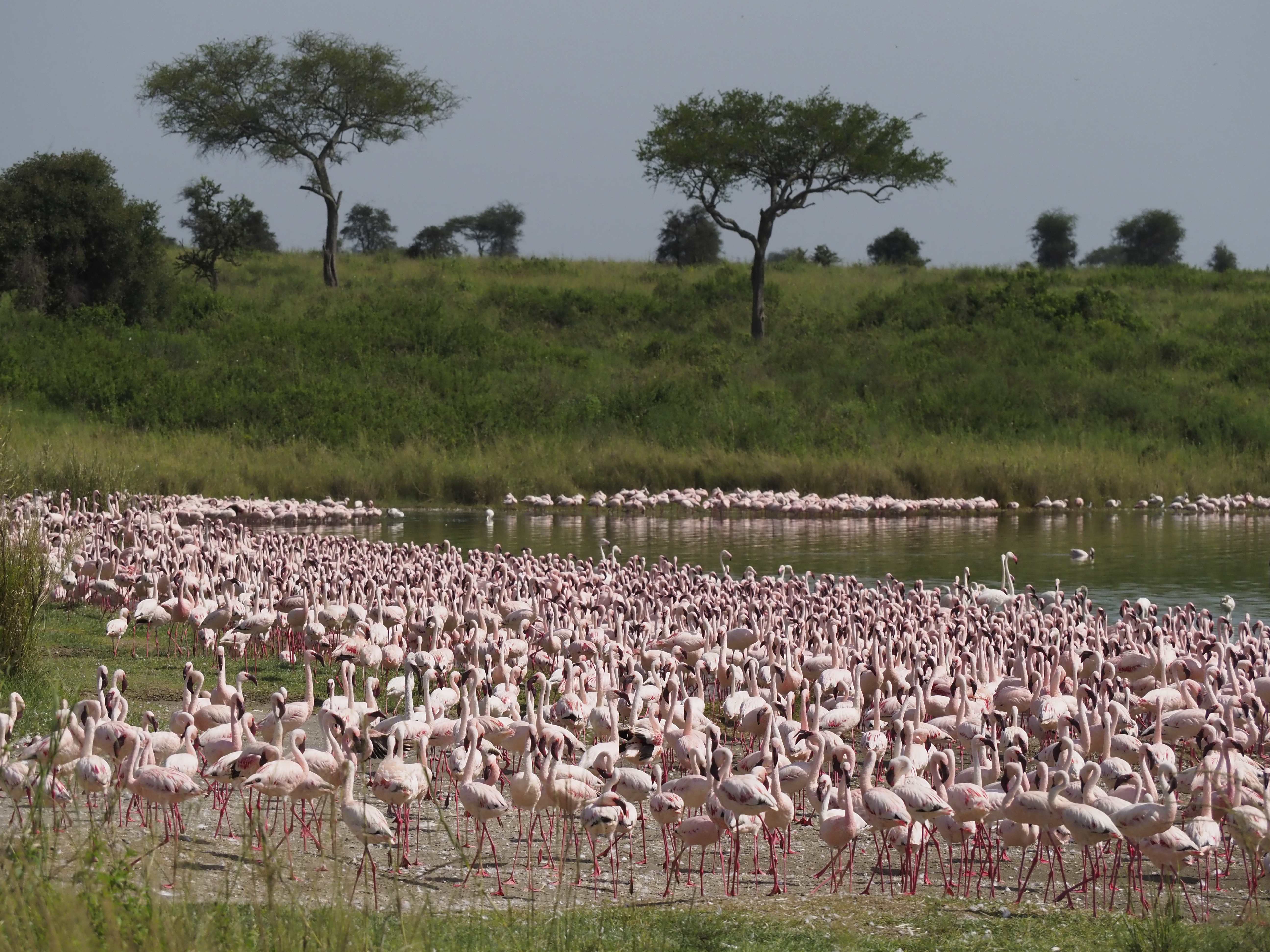
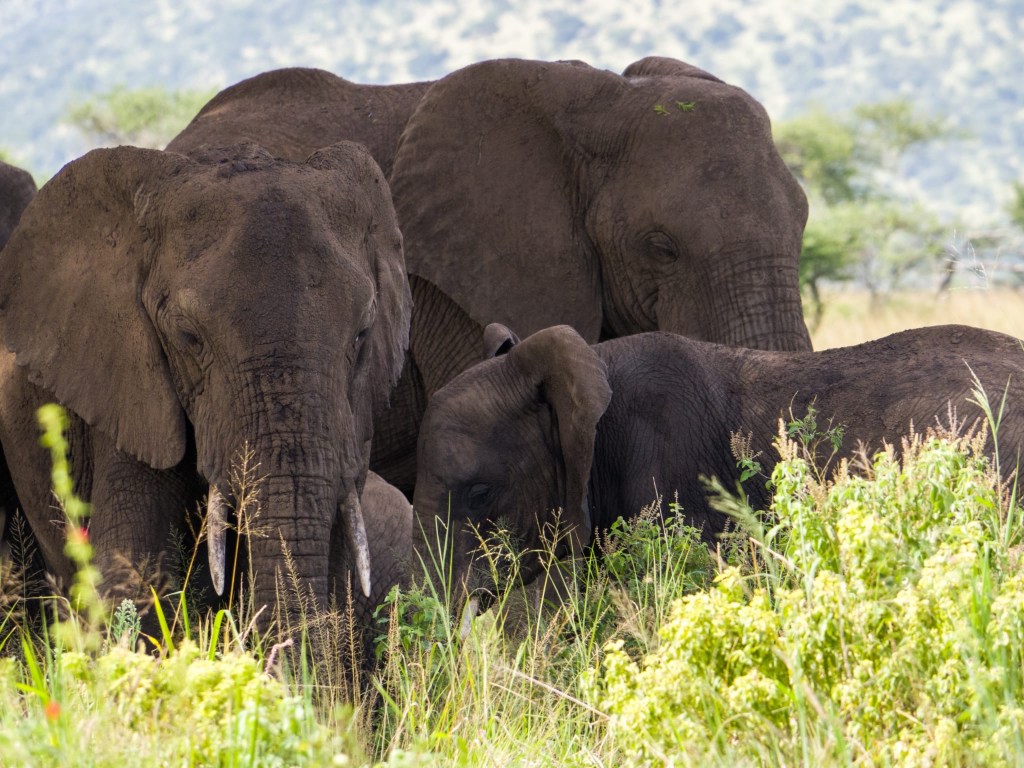
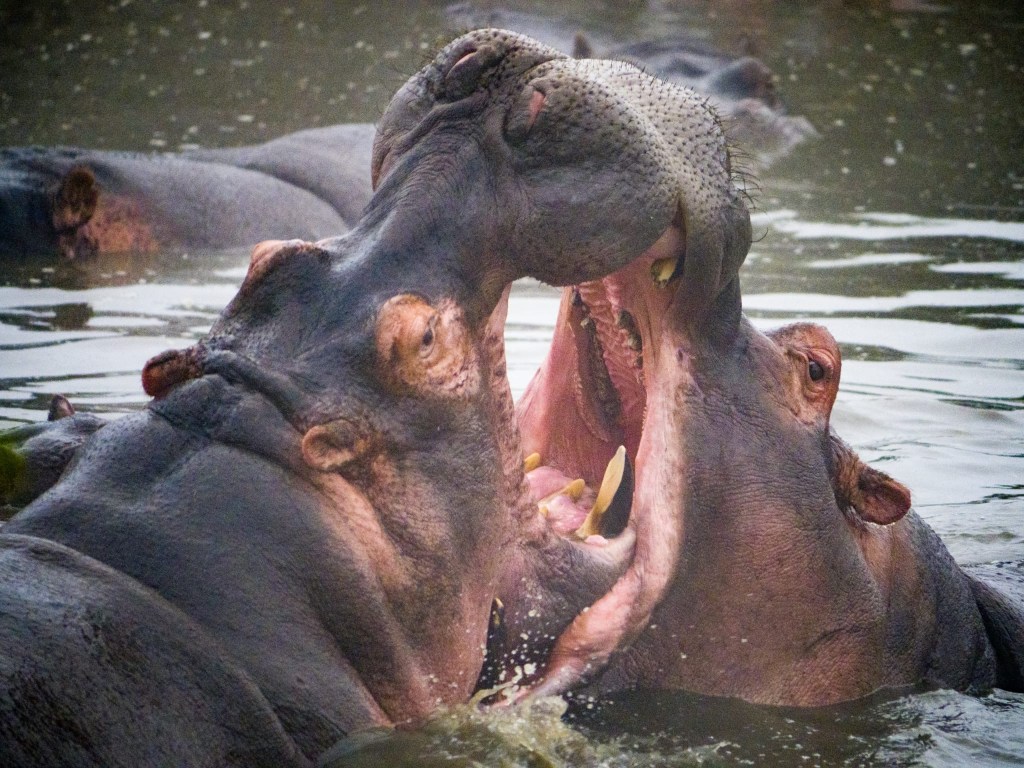
The next days, it was just us, our driver and our cook. We would drive around enjoying the “African massage”(bumpy roads) and viewing game all day. We saw large big eared bunny families with very little babies (super cute), flew with millions of pink flamingoes, and saw hippos pooping in each other’s faces.
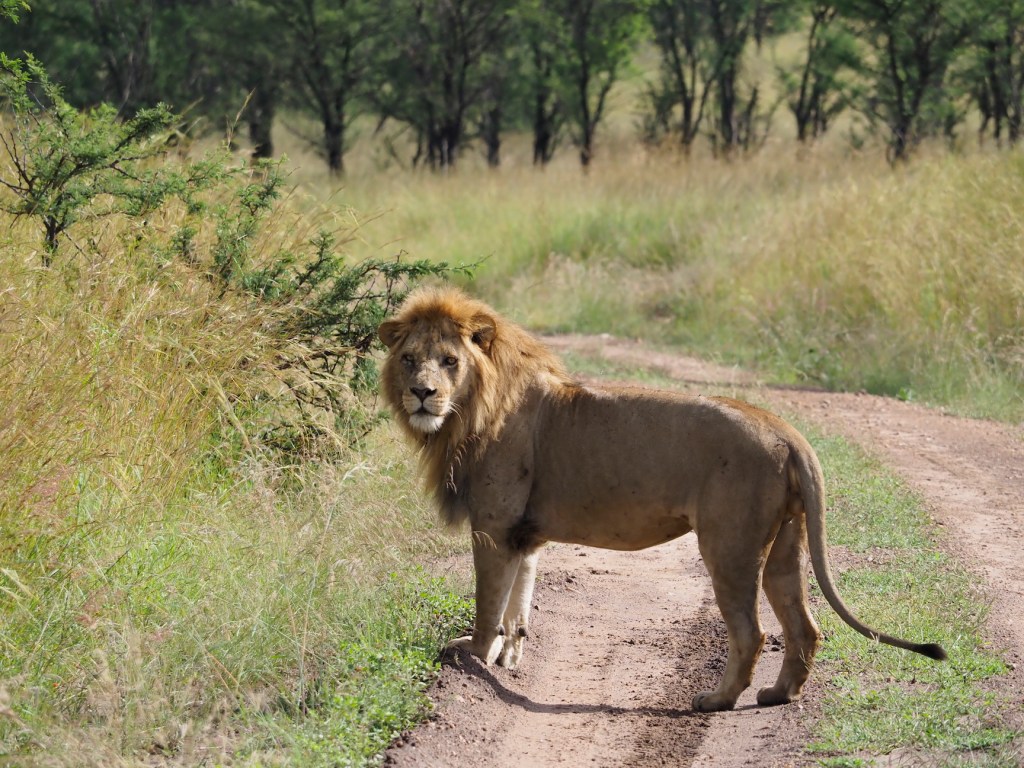
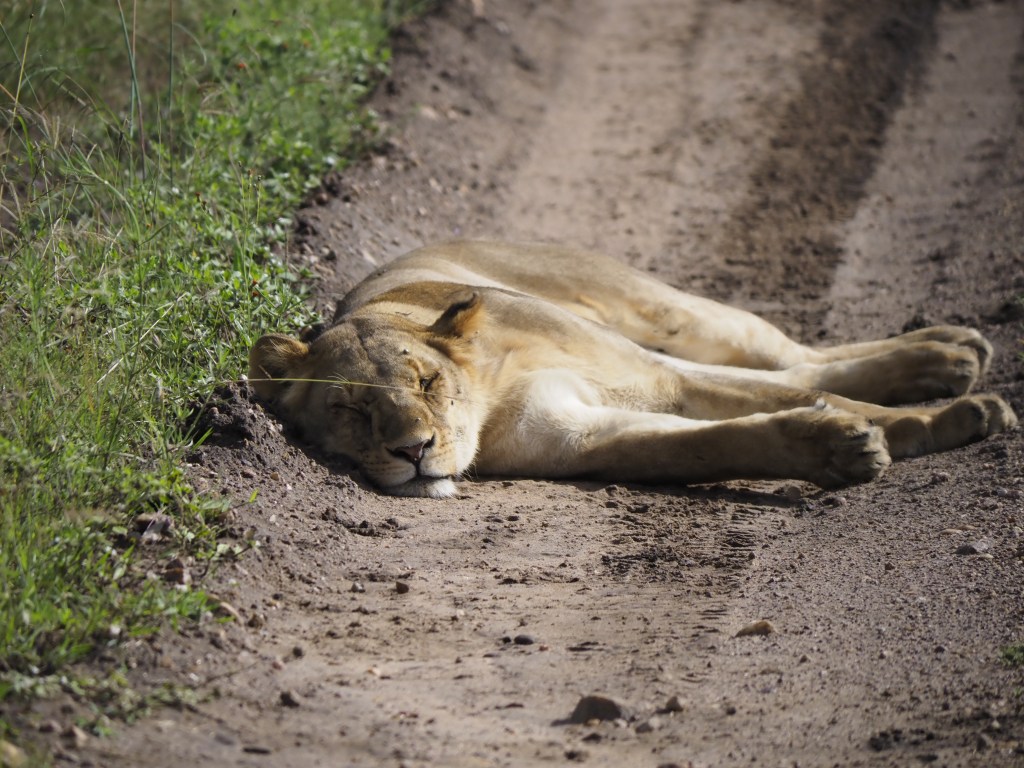
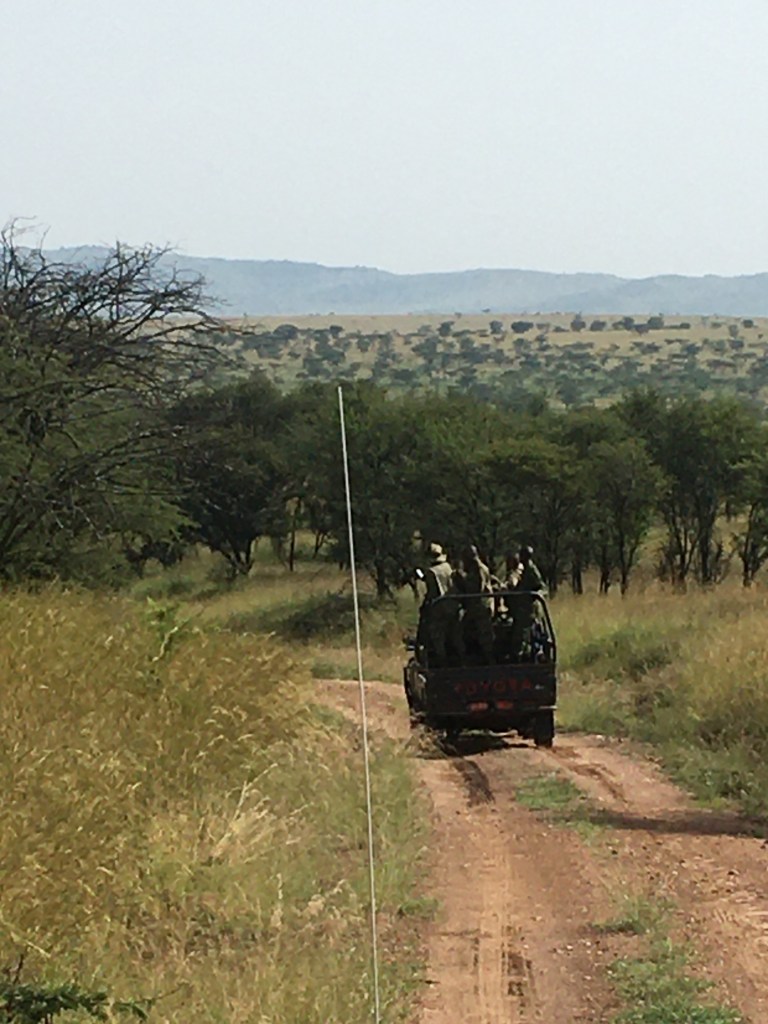
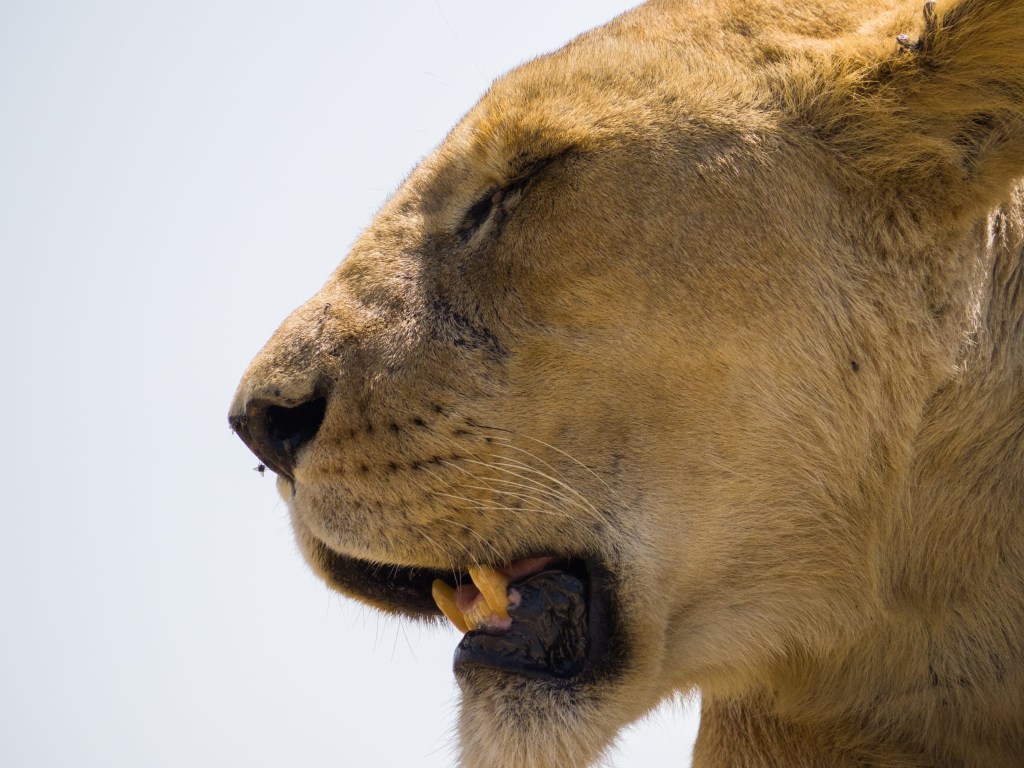
We saw more lions from up close. A lion couple grew so comfortable in our presence, that they just went to sleep in front of us on the path. But then a rowdy jeep of rangers came rattling by and the lions jumped into the bush. Yet they were soooo close. Even the rangers had their phones out (so sighting simba this close is a feat after all!).
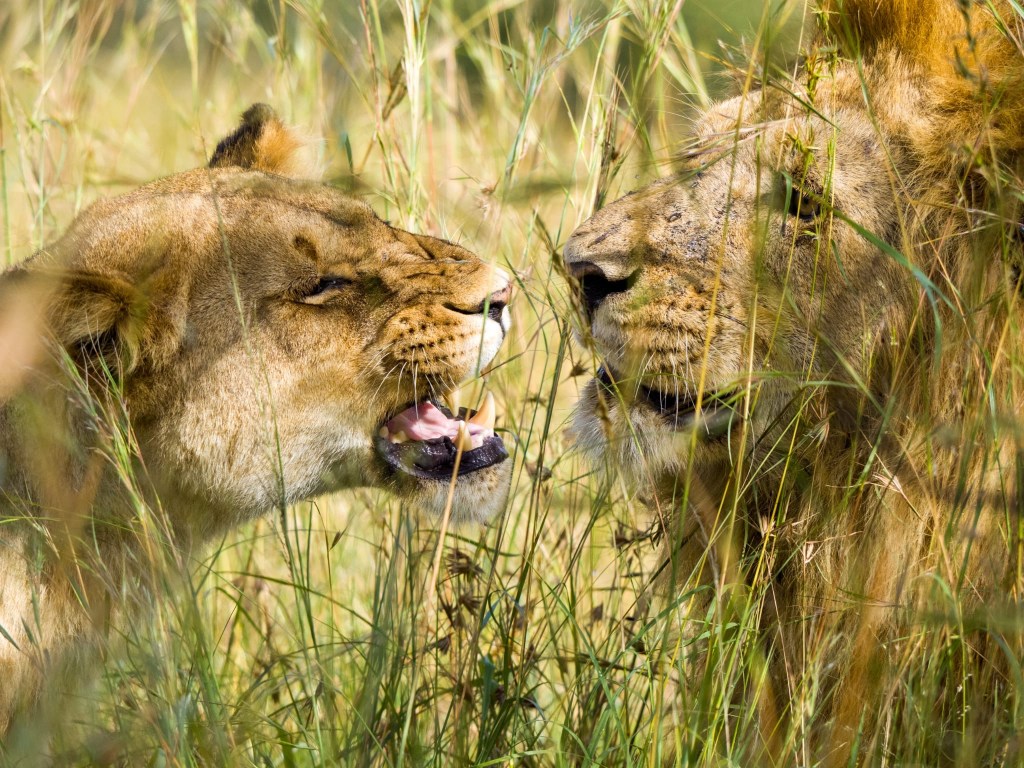
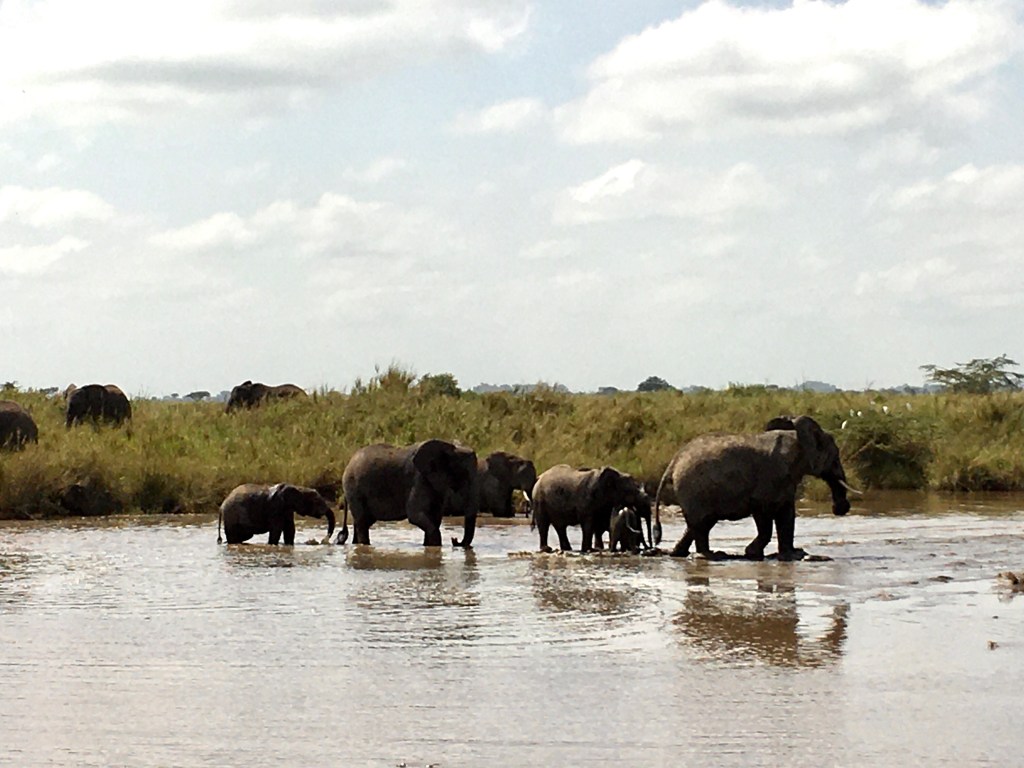
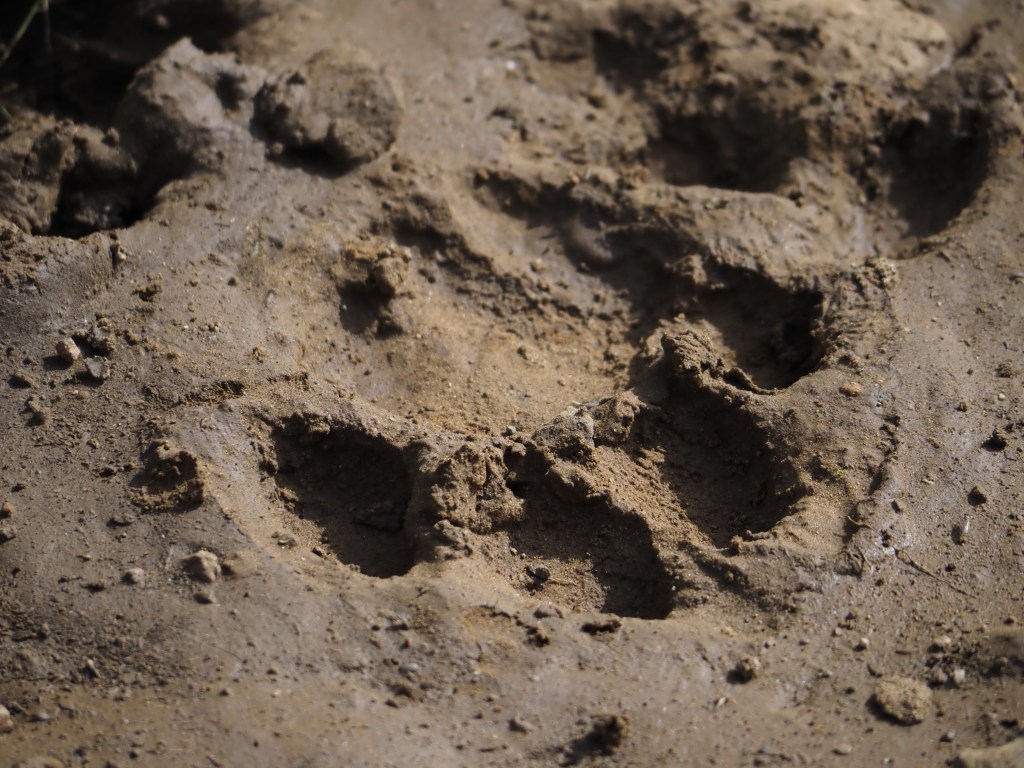
Sometimes many minutes would go by where we wouldn’t see any bunnies but they made their presence felt!
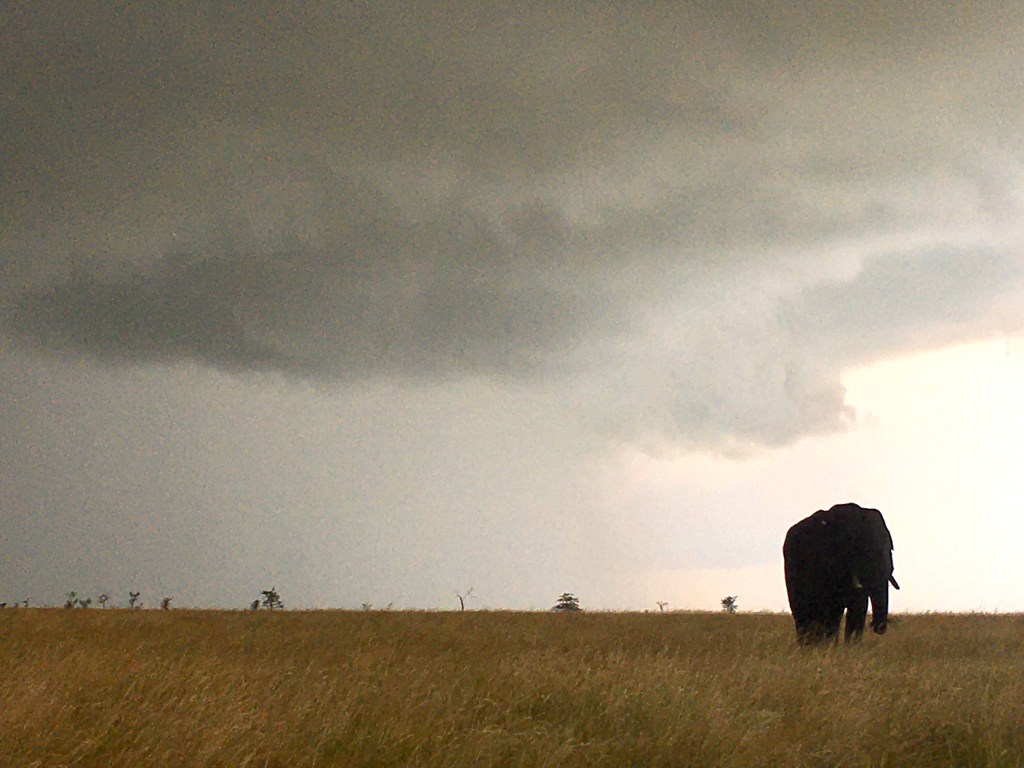
Then one afternoon, it rained cats and dogs. And we saw elephants rushing across the plains to find cover.
The next day, when the rains had stopped, we were attacked by Tse Tse flies, more famously for causing sleeping sickness. They can bite through clothes! Tip: forget fashion in Africa. Wear long sleeves and full pants.
We were so busy swatting these uggos that we couldn’t take a picture of long neck bunnies walking in the distance their golden necks shining in the sunlight. So here is a painting instead.
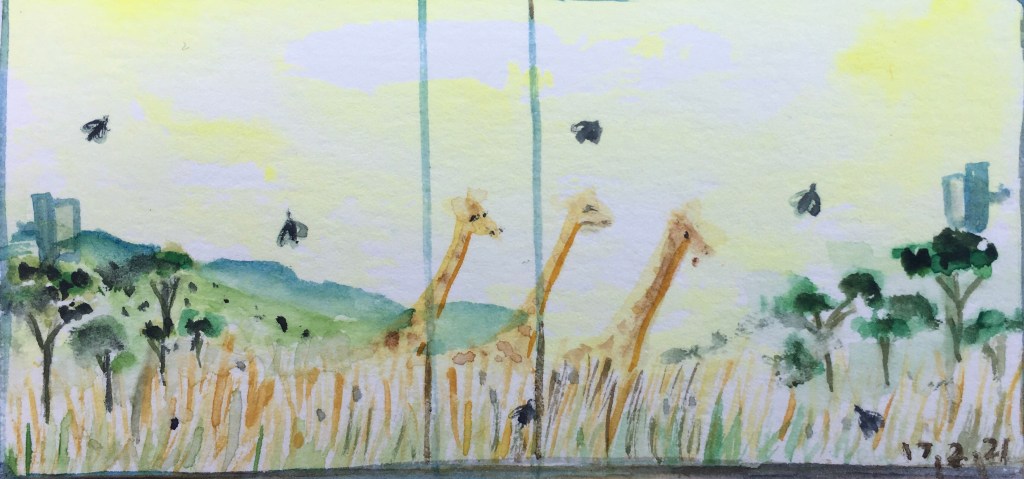
For the next two nights we slept at the Lobo camp which we, some hyraxes and baboons had all for ourselves! AND no flies! It was beautiful.
On the first night, I caught the last rays of light to capture the amazing scene in front of us.
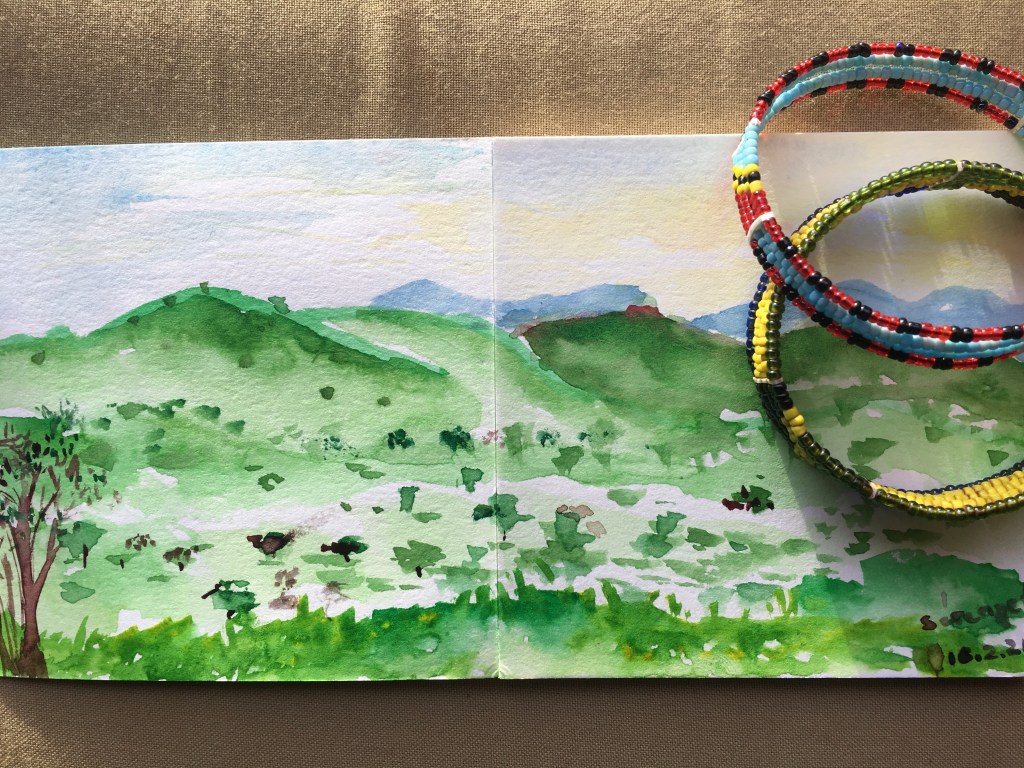
We saw beautiful moon sets (do not have a picture, so here is a painting instead), slept under a million stars, woke up to beautiful sunrises and had breakfast in style.
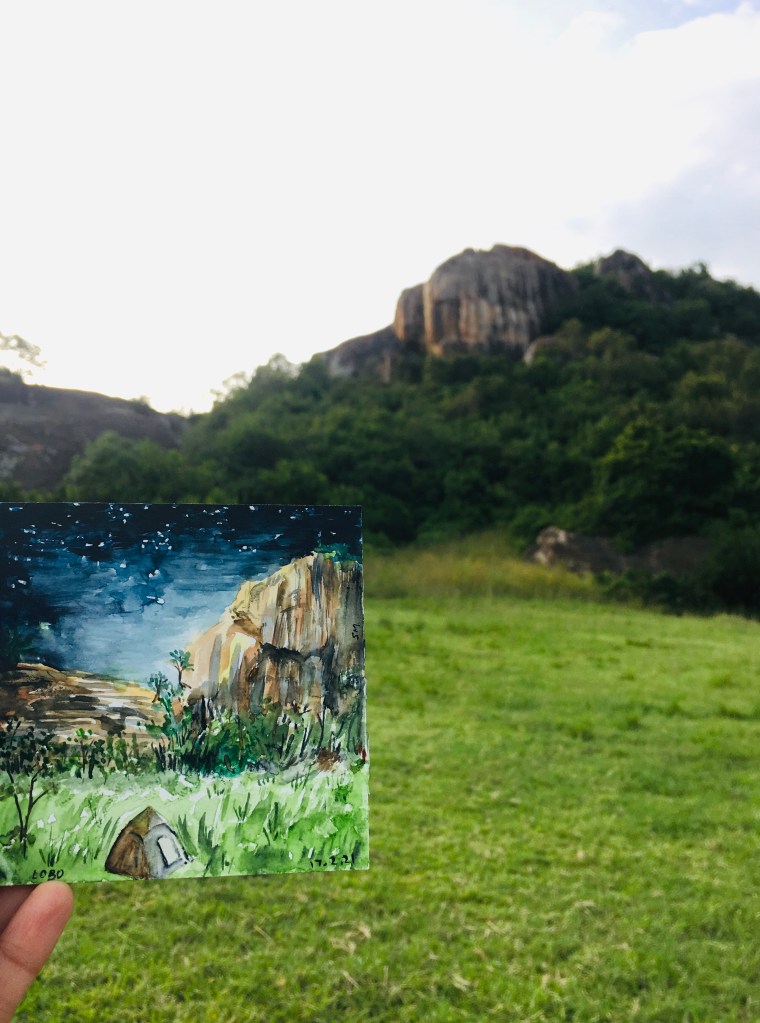
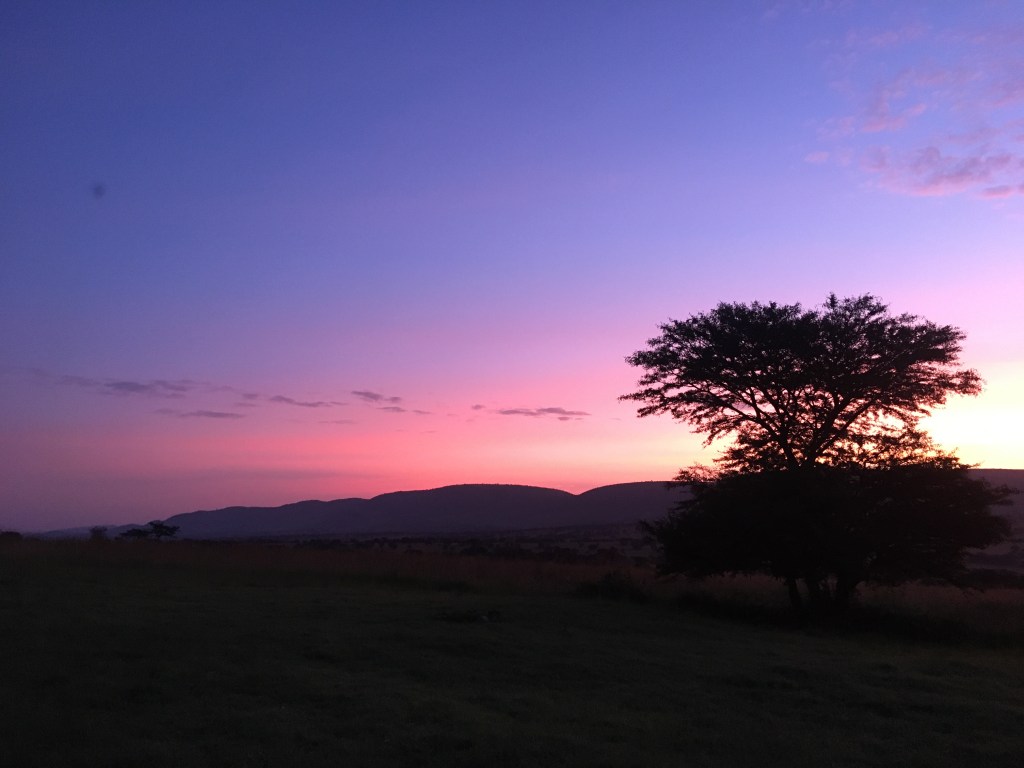
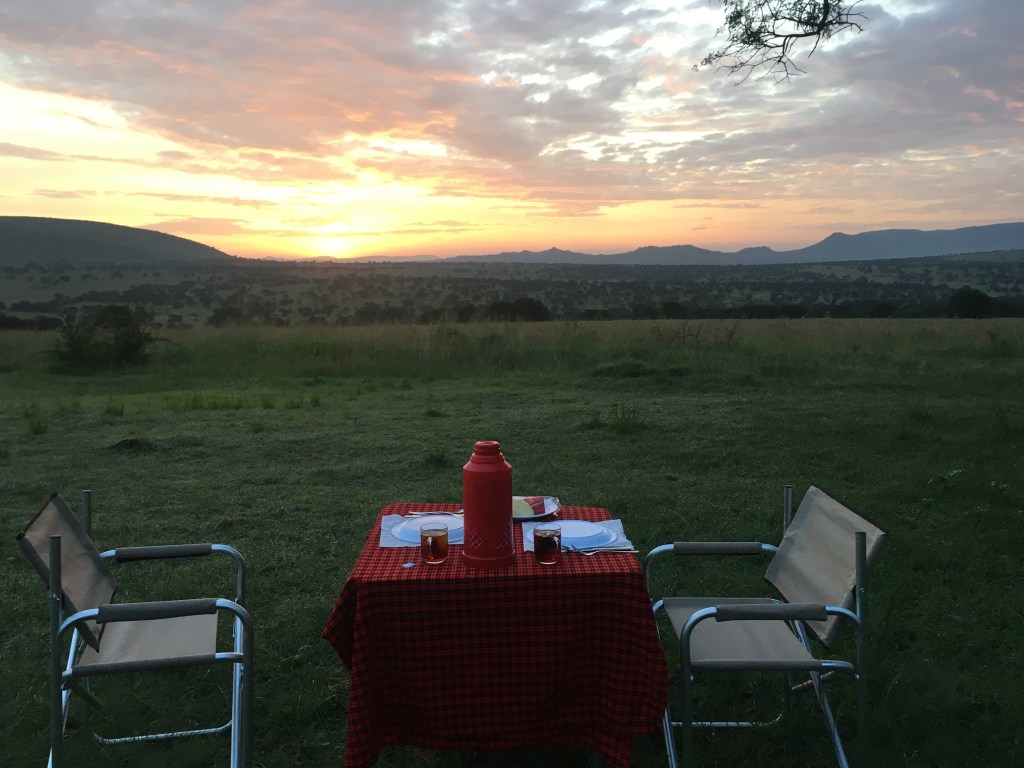
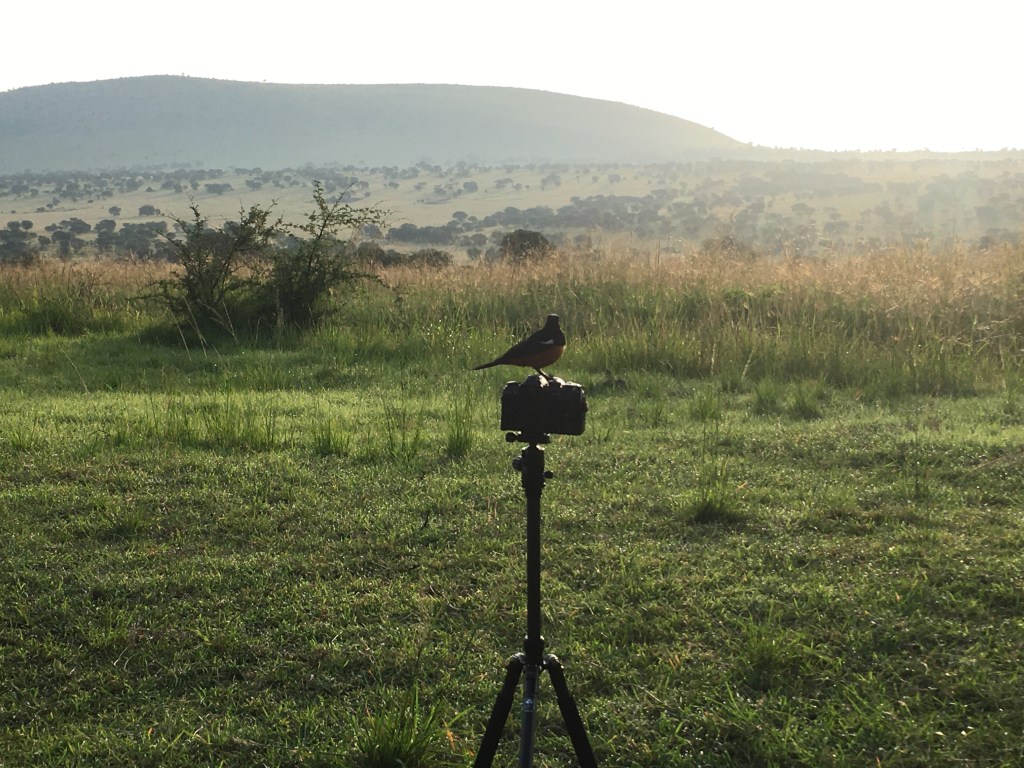
I just loved this place… I could pop here forever.
Day 6: last day
We were a bit tired of sleeping in the tent, the cold nights and the African massage. So we thought hey why not sleep one night at the Four Seasons. So we went there, crossing another 14 lions or so on the way. The rooms were quite something but we got a bit shocked at their prices and attitude and left. 😦
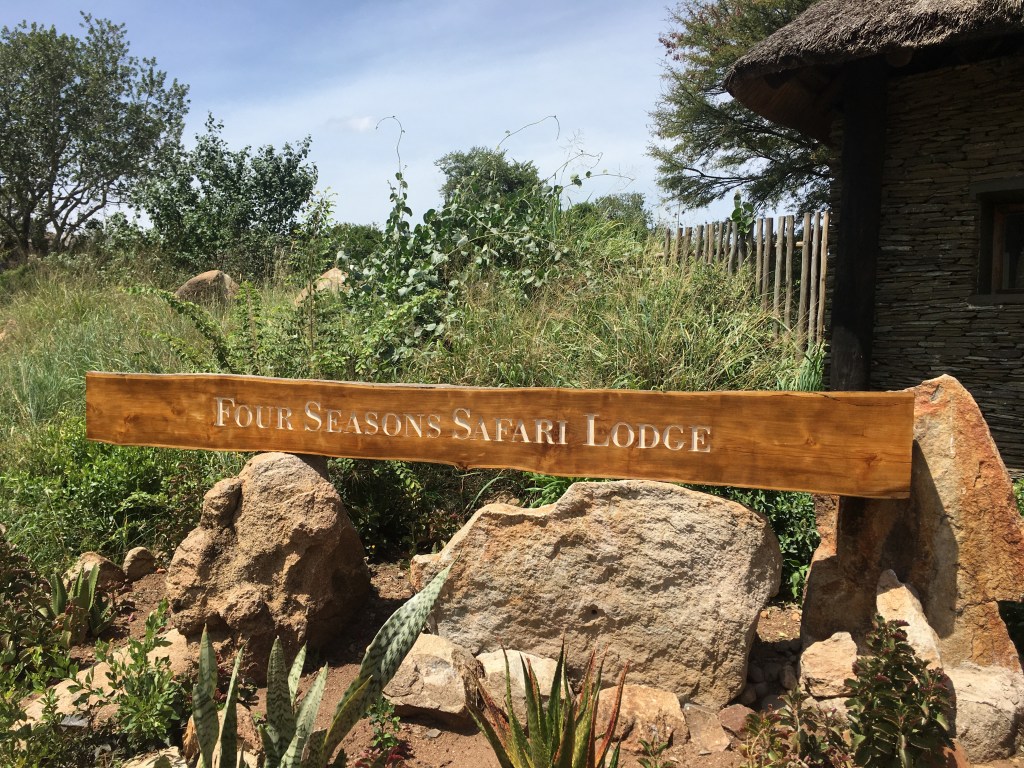
We have many learnings for next time: reduce days, tent it out, and spend last day in a fancy hotel.
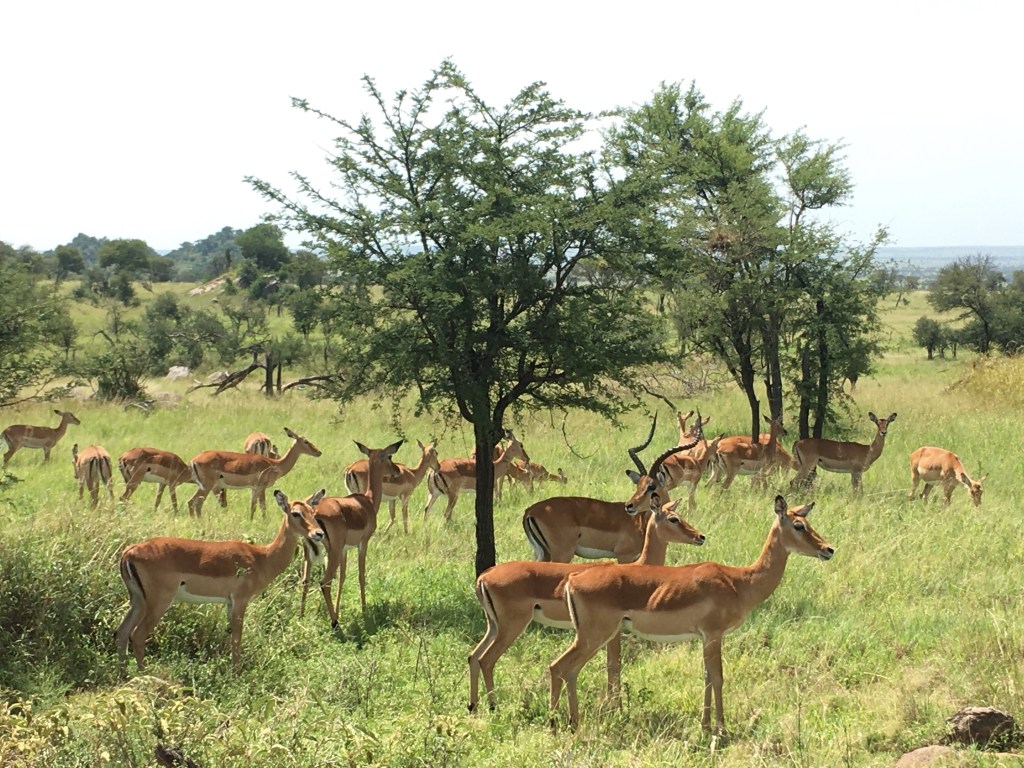
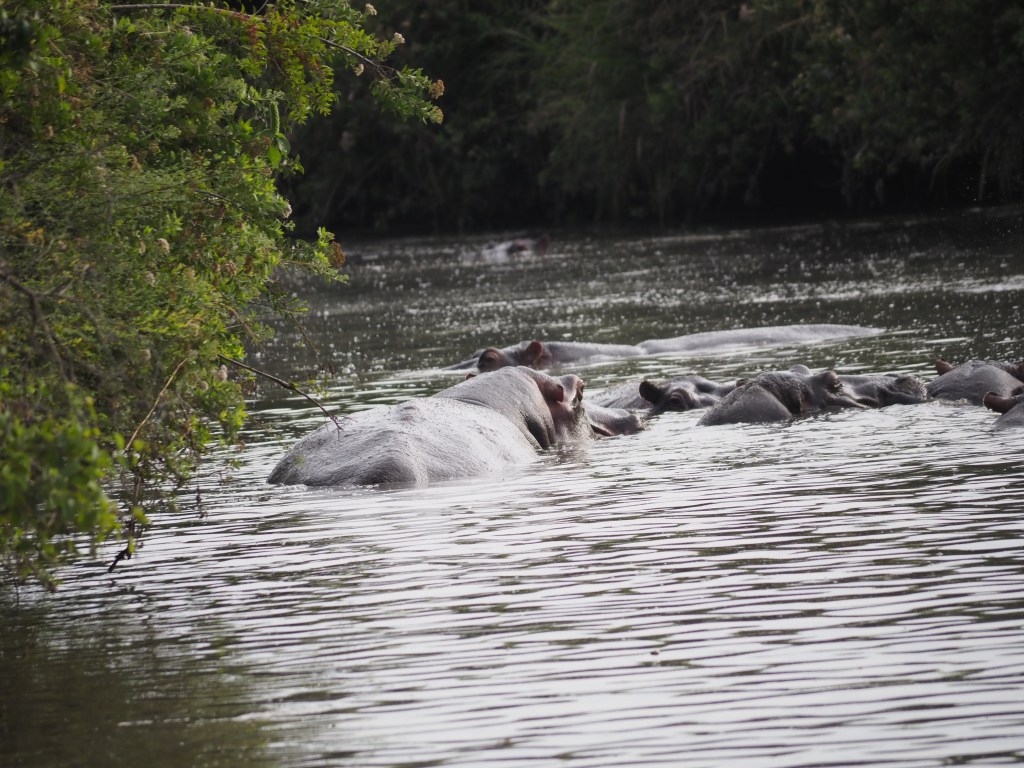
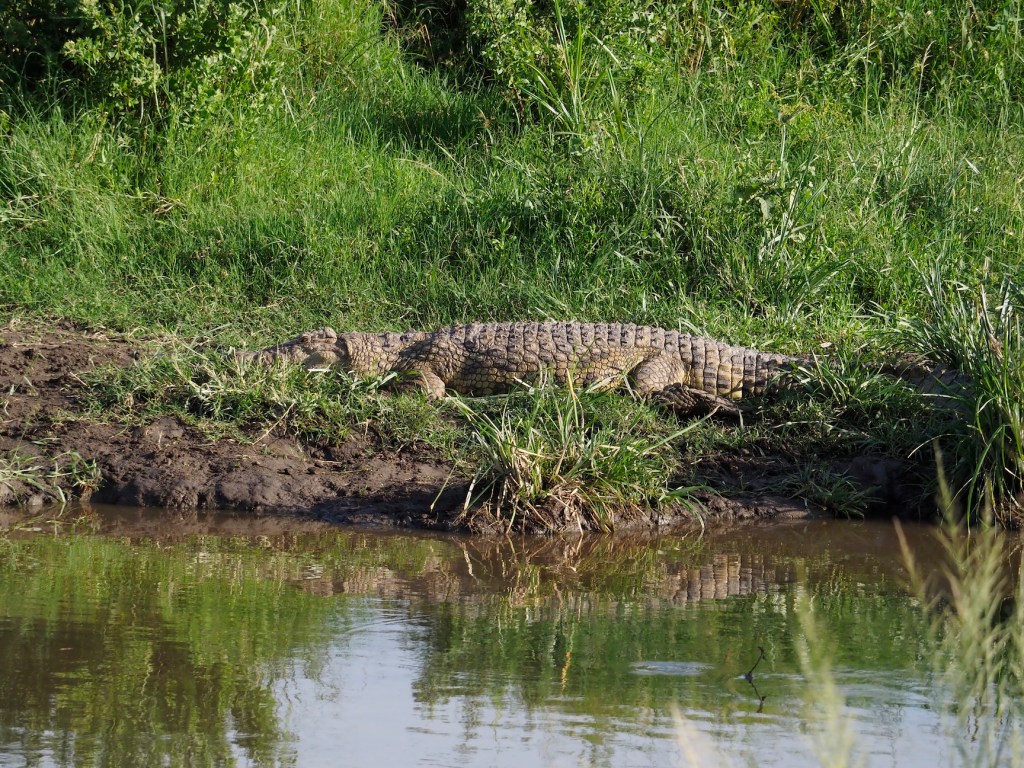
But not staying there, meant more of Serengeti, and more game drives. We saw a hippo pool and croco bunnies who had come all the way from Egypt following the Nile. We saw this impala who had 49 wives (not all of them in the picture)!
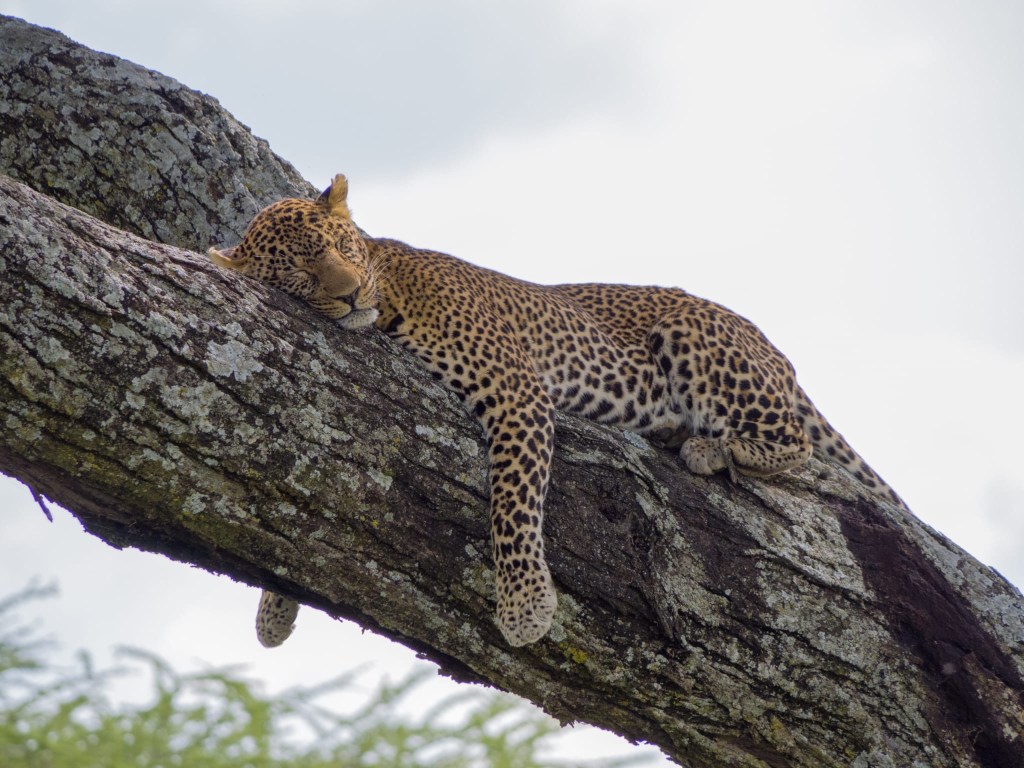
And then we found this beauty! Our second leopard. Their spots look like shadows of the tree leaves and they are incredibly difficult to spot but he was really close to the road.
Unfortunately we couldn’t see any cheetahs because of the high grass. So here is a joke instead:
Q: Why did the leopard lose at cards?
A: Because he was playing with a cheatah. Hah.
Created by swiss bunny
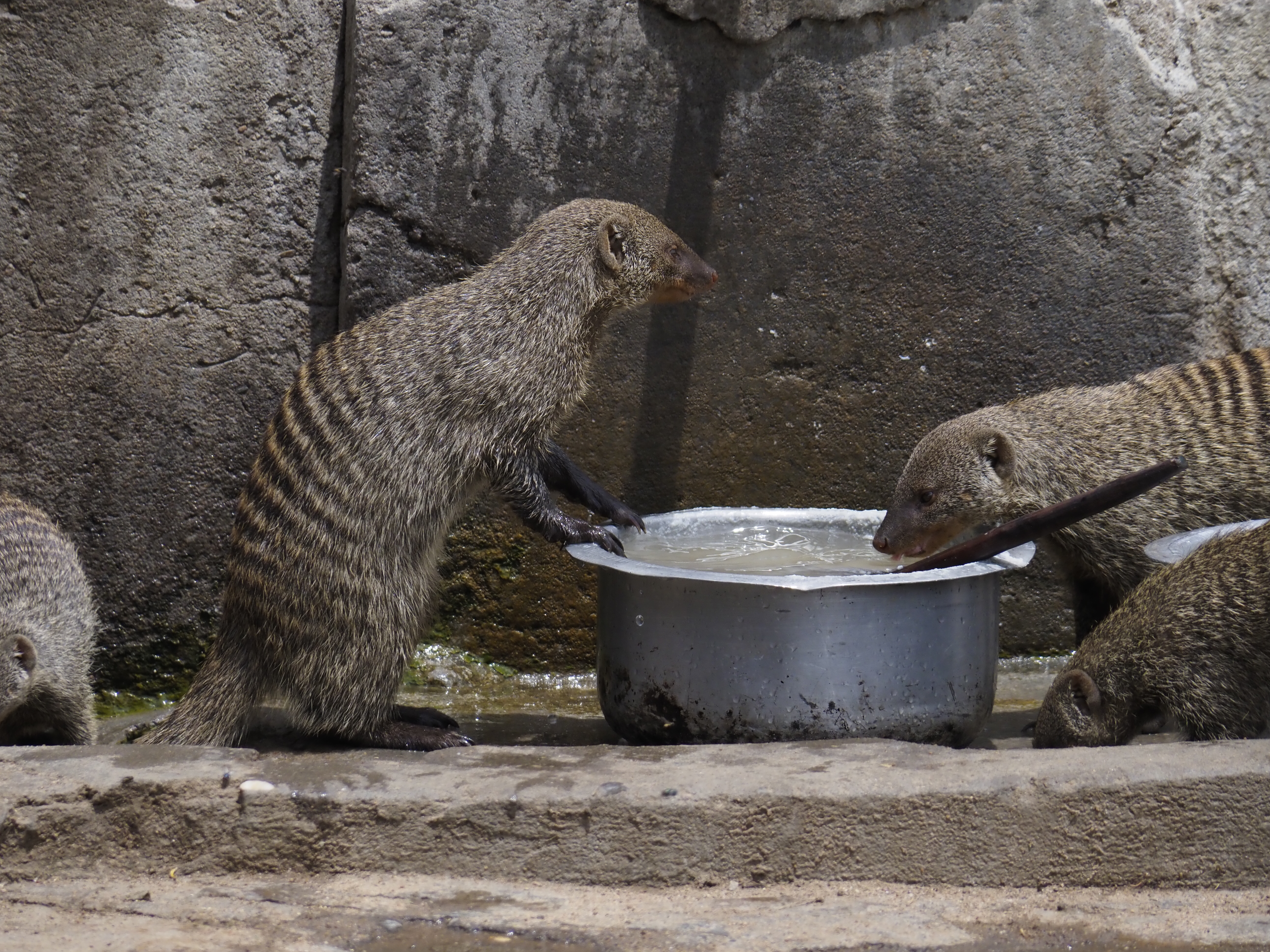
We slept our last night at Seronera camp again. There were no ants here because of these godsents (mongoose) who eat ants and the leftover scraps from the kitchen.

Day 7: Time to go
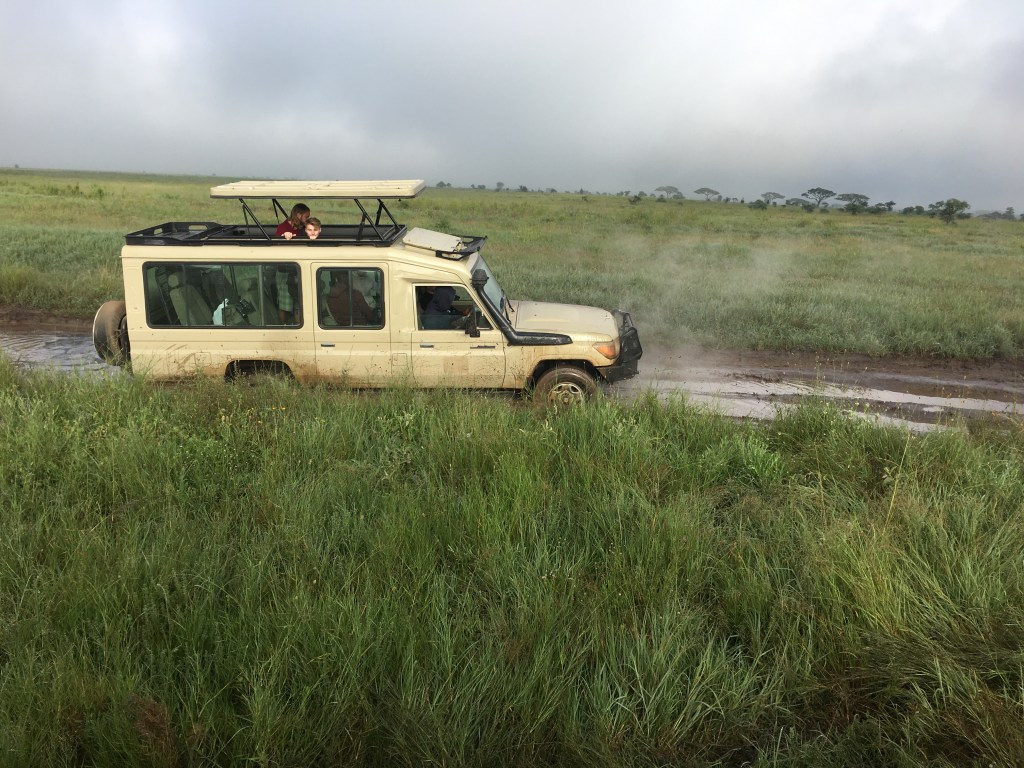
And it was time to go. Did an early morning game drive. Saw hippos returning back to their pools and exercise, helped tourists stuck in the mud, and soaked in the scenery one last time.
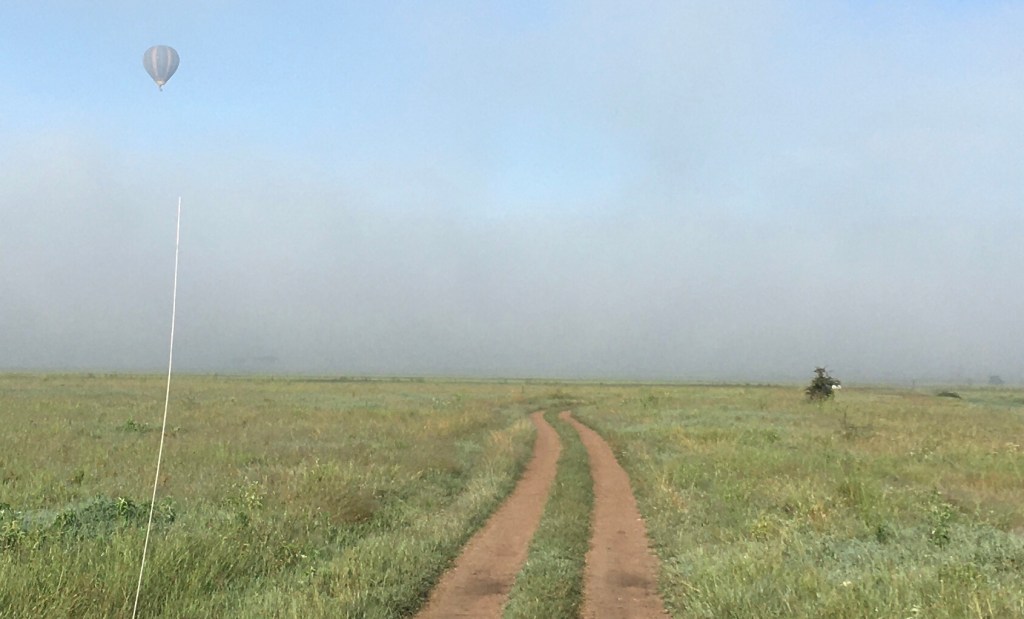
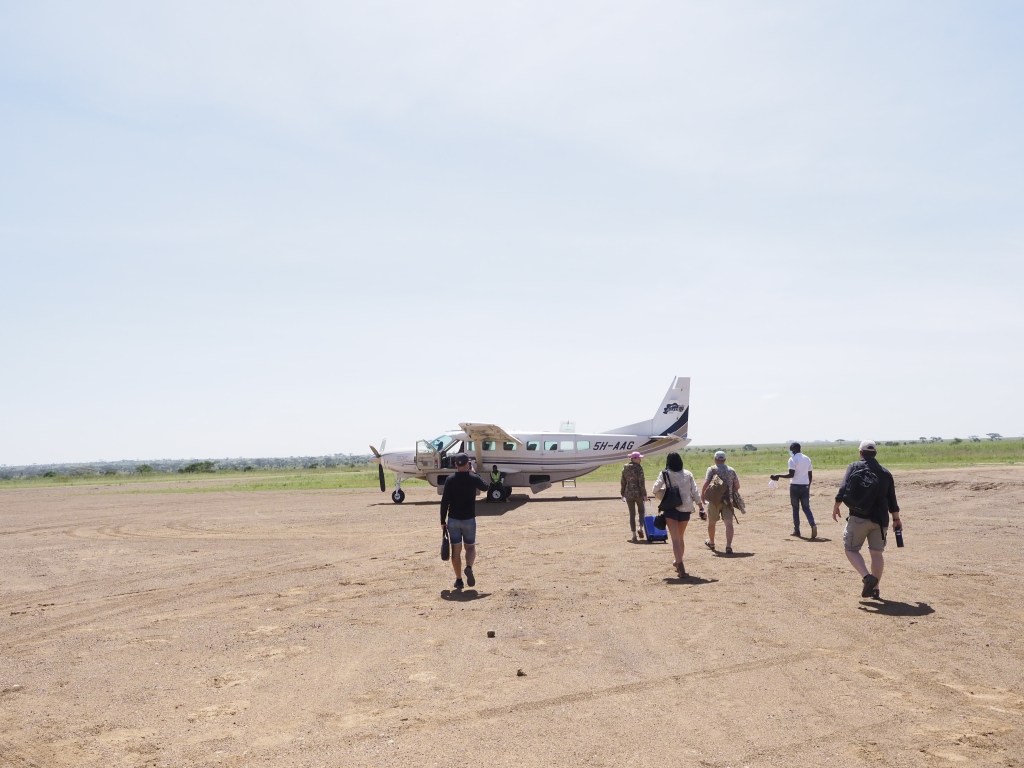
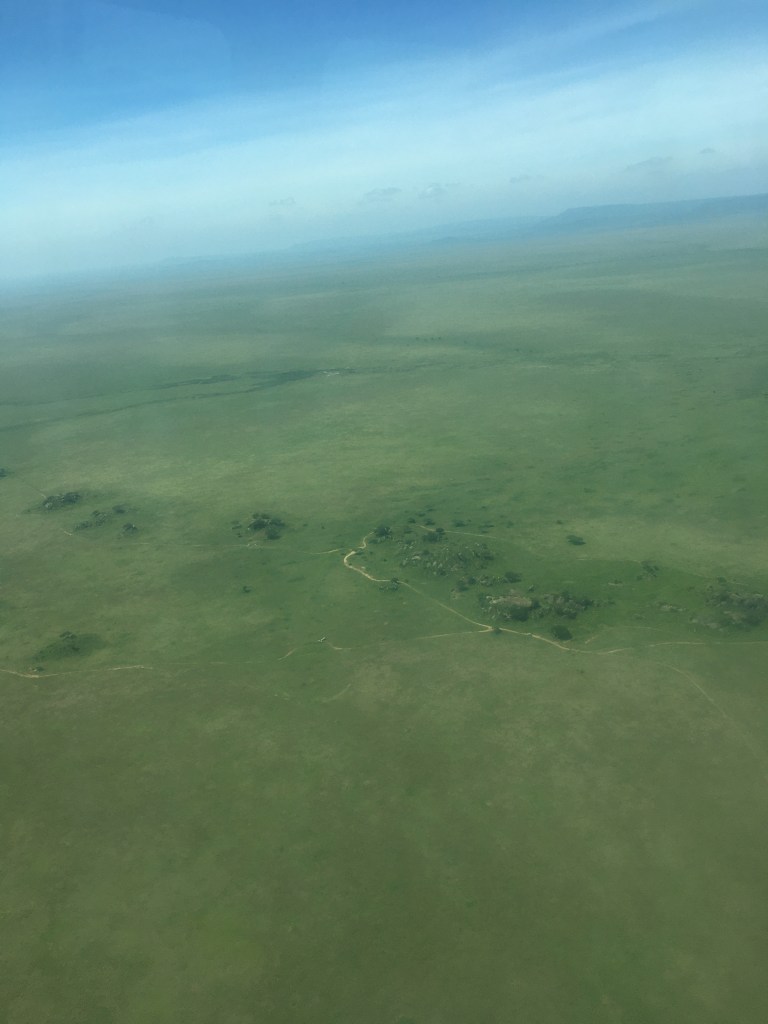
We flew out from the Seronera airstrip in cute little 12 seaters taking in the immensity of the Serengeti and Tanzania.
Some general thoughts:
At several points during the safari I thought, is this the right thing to do? Aren’t we disturbing the animals? The answer is even if we are, we can cohabit. Serengeti has very few man made structures but the animals didn’t mind using them to their advantage. Like this lioness using a cement structure to scout for lunch or the buffaloes and zebras who visit camp sites at night as a “safe place”.
Tourists pour in millions of USD into the Serengeti every year and a park of this size needs some serious maintenance.
Around one of the gates (towards Kenya) we saw hundreds if not thousands of cows right outside the border of the park, being herded by just one Masai man. The Masai have many wives and many children, even more so now because of access to modern medicine. The only thing that is stopping humans and their cows from encroaching the wild space is the money coming from tourism.
So, should you do a safari: YES absolutely, but go there as you would as a guest to someone else’s home. Don’t irritate the hosts.
Credit: All nice pictures by Swiss bunny,

 bunnygoespoppoppop
2 thoughts on “Bunnygoespop in Tanzania (land)”